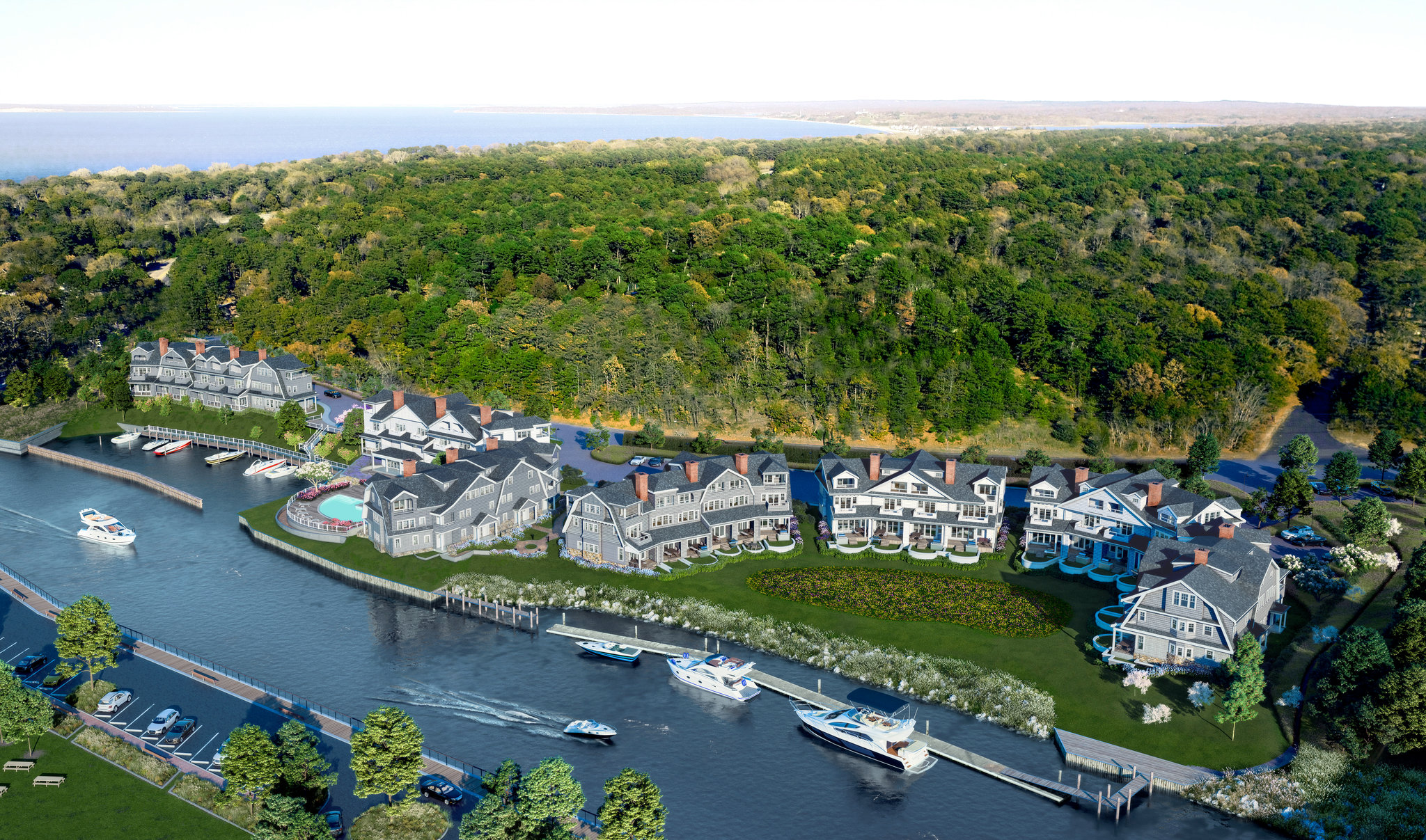
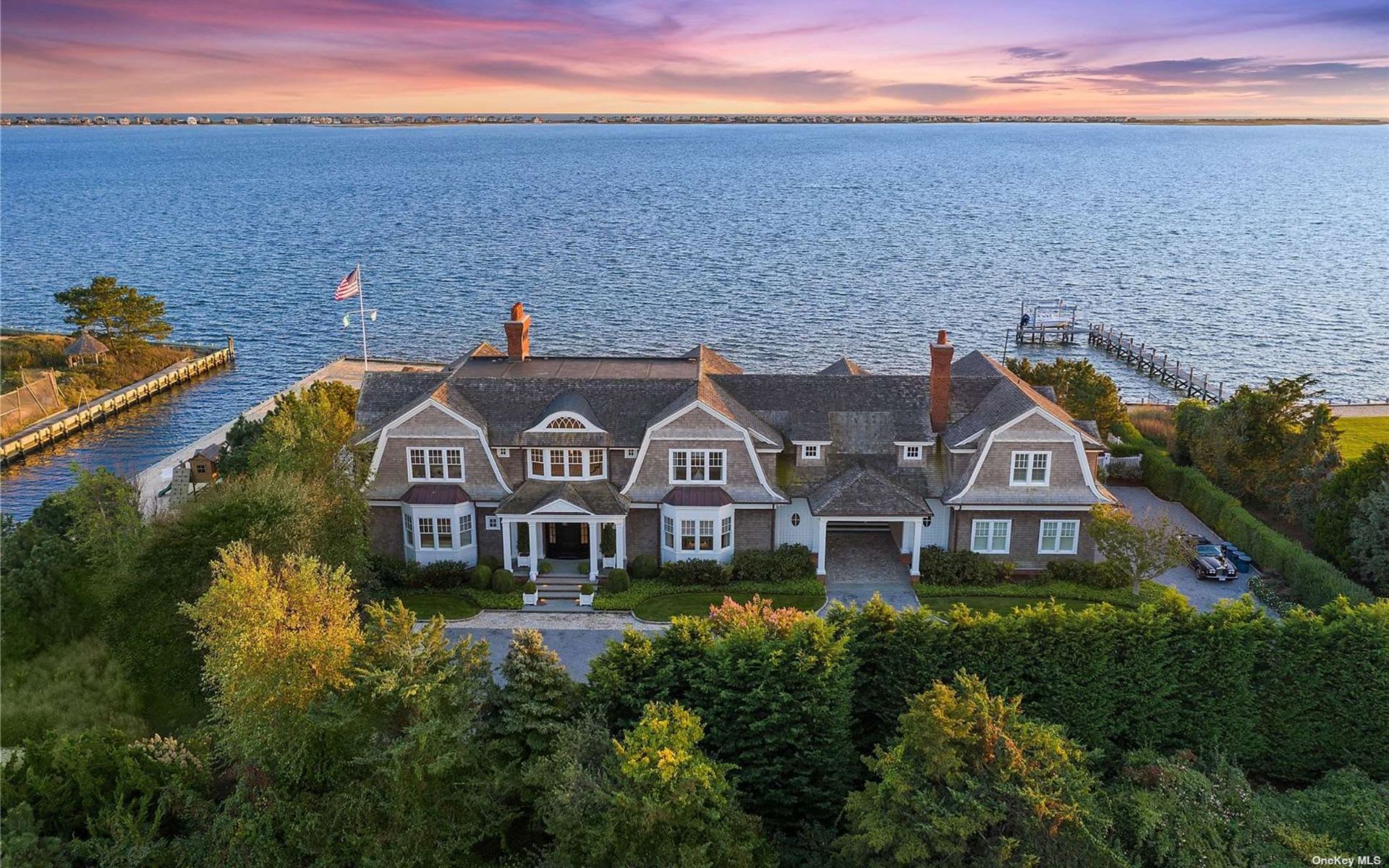
Westhampton Beach is one of the more accessible Hamptons villages — no ferry, a shorter drive from the mainland, and an actual year-round Main Street rather than a corridor that empties out after Labor Day. That accessibility gets it treated as an 'easy' market by providers who haven't looked closely at what's actually for sale.
Being closer to the mainland also means Westhampton Beach draws a wider mix of buyers than the far-eastern villages, from year-round residents to weekend owners to short-term vacationers, and that mix shows up directly in how differently Main Street and Dune Road properties get valued.
A Village With Two Different Economies
Main Street carries genuine retail storefronts, restaurants, and some multifamily and mixed-use buildings that operate year-round. Dune Road, a few minutes away, runs on an entirely different rhythm — oceanfront rental houses and beach clubs driven almost entirely by the summer season. Both sit inside the same village, and both get called 'Westhampton Beach investment property,' but they behave nothing alike as assets.
Dune Road properties also carry real coastal exposure that Main Street simply doesn't. Barrier-beach parcels there sit under FEMA flood zone designations and coastal erosion hazard area review, both of which affect insurance cost, financing terms, and what can be rebuilt after storm damage. A lender or appraiser treating a Dune Road oceanfront rental the same as a Main Street mixed-use building is missing a real difference in risk profile on top of the income pattern.
The Shortcut That Costs Time Later
Folding Main Street retail and Dune Road seasonal rental into one identification strategy is a common shortcut, and it's the kind of scope-collapsing that hurts investors inside the 180-day window. A retail lease renews on a multi-year schedule with predictable income; a beach rental's value depends on peak-season occupancy and can swing hard year to year. Underwriting them the same way, or assuming a candidate from one category is an easy substitute for the other, is the mistake a rushed proposal makes.
Any purchase in the village also carries the Town of Southampton's 2% Community Preservation Fund transfer tax on the buyer's side, whether the property is a Main Street storefront or a Dune Road oceanfront rental. On a high-value beach parcel, that tax alone can represent a meaningful sum, and it needs to be modeled into the deal before a candidate is compared against a similarly priced property in a non-CPF town.
What Actually Trades Here
The realistic replacement set splits along that same line:
- Main Street retail or mixed-use buildings with multi-year leases
- small multifamily buildings near the village core
- Dune Road oceanfront rental homes
- beach club or hospitality-adjacent property
Older Dune Road houses also tend to run on individual septic systems rather than a municipal connection, and any rebuild or expansion close to the dune line typically needs town and DEC coastal review before permits are issued. A buyer treating a Dune Road property as a quick improvement-exchange candidate should get both the septic condition and the coastal review timeline confirmed early, since either one can eat into the 180-day window if it surfaces late.
Matching the Replacement to the Exit
The most reliable exchanges here start by naming which of the two economies the relinquished property actually belonged to, then identify against that same category first before treating the other as a fallback. That distinction should be documented for the qualified intermediary and the client's tax advisor so the identification list reflects a real income comparison, grounded in the property's actual lease structure rather than the fact that both sit in the same village.
Rental income figures from either economy also need to reflect the actual operating pattern before they're used to satisfy the exchange's replacement-value test. A Main Street lease renewing on a five-year schedule and a Dune Road summer rental produce very different income profiles even at similar annual totals, and treating them as equivalent comparables understates the diligence the exchange actually needs.
Common 1031 Exchange Questions
Are Main Street retail and Dune Road rental property the same asset class in Westhampton Beach?
No. They carry different lease structures, seasonality, and income patterns, and should be underwritten separately rather than treated as interchangeable just because they share a village. Coastal exposure and flood-zone risk also differ sharply between the two, which affects financing as much as valuation.
Does easier mainland access make Westhampton Beach a simpler exchange market?
Access is easier than the ferry-dependent or far-eastern hamlets, but the village still has two distinct asset economies that need separate diligence, so it's not necessarily a simpler underwriting job.
Is a Dune Road rental house a reliable income comparable for a retail exit?
Not directly. Seasonal rental income behaves very differently from a multi-year commercial lease, so a Dune Road property shouldn't be substituted for a retail candidate without adjusting the income analysis.
What kind of stock exists near the Main Street core?
Retail storefronts, some mixed-use buildings with residential units above, and a limited number of small multifamily buildings make up the year-round commercial base.
Why should the identification list separate the two property types?
Because matching the replacement property's income pattern to the relinquished property's income pattern protects the exchange's economic substance and avoids underwriting surprises late in the process.