Shelter Island has no bridge. Every appraiser, inspector, contractor, and moving truck involved in an exchange here gets to the property by ferry, and that single fact changes how a diligence calendar has to be built — something most exchange coordination quotes never mention.
That isolation is also part of what keeps Shelter Island's character distinct from the mainland Hamptons hamlets on either side of it. It draws buyers who specifically want the separation the ferry crossing creates, and that demand supports its own pricing logic that doesn't move in lockstep with Southampton or East Hampton comparables.
An Island With Its Own Town Government
Shelter Island is its own town, separate from Southampton and East Hampton, reached by the North Ferry from Greenport or the South Ferry from North Haven and Sag Harbor. Roughly two-thirds of the island is preserved as the Mashomack Preserve, permanently off the market, which concentrates the realistic buildable and investment-grade stock into a smaller footprint than the island's total acreage suggests.
Because it's a separate town from either half of the South Fork, Shelter Island runs its own assessment rolls, zoning code, and building department, distinct from both Southampton and East Hampton. An advisor who's used to working the mainland hamlets can't assume the same permitting process or timeline applies here — every zoning question, variance, or certificate of occupancy runs through the Shelter Island town offices specifically.
What Ferry Access Does to a Closing Calendar
Ferry schedules cap how many showings, inspections, or contractor visits can realistically happen in a day, especially outside peak season when ferry frequency drops. An inspection that would take one visit on the mainland can take two if the inspector misses the last boat. A generic engagement letter written for a mainland Hamptons hamlet doesn't build in that friction, and a client relying on it can watch weeks disappear from the 180-day window over scheduling, not substance.
Contractors, appraisers, and movers who don't work the island regularly also tend to price in extra time and cost for the ferry crossing itself, and a renovation or repair tied to an improvement exchange can slow down simply because fewer local tradespeople are available on short notice compared to a mainland hamlet with a deeper contractor base.
The Local Asset Base
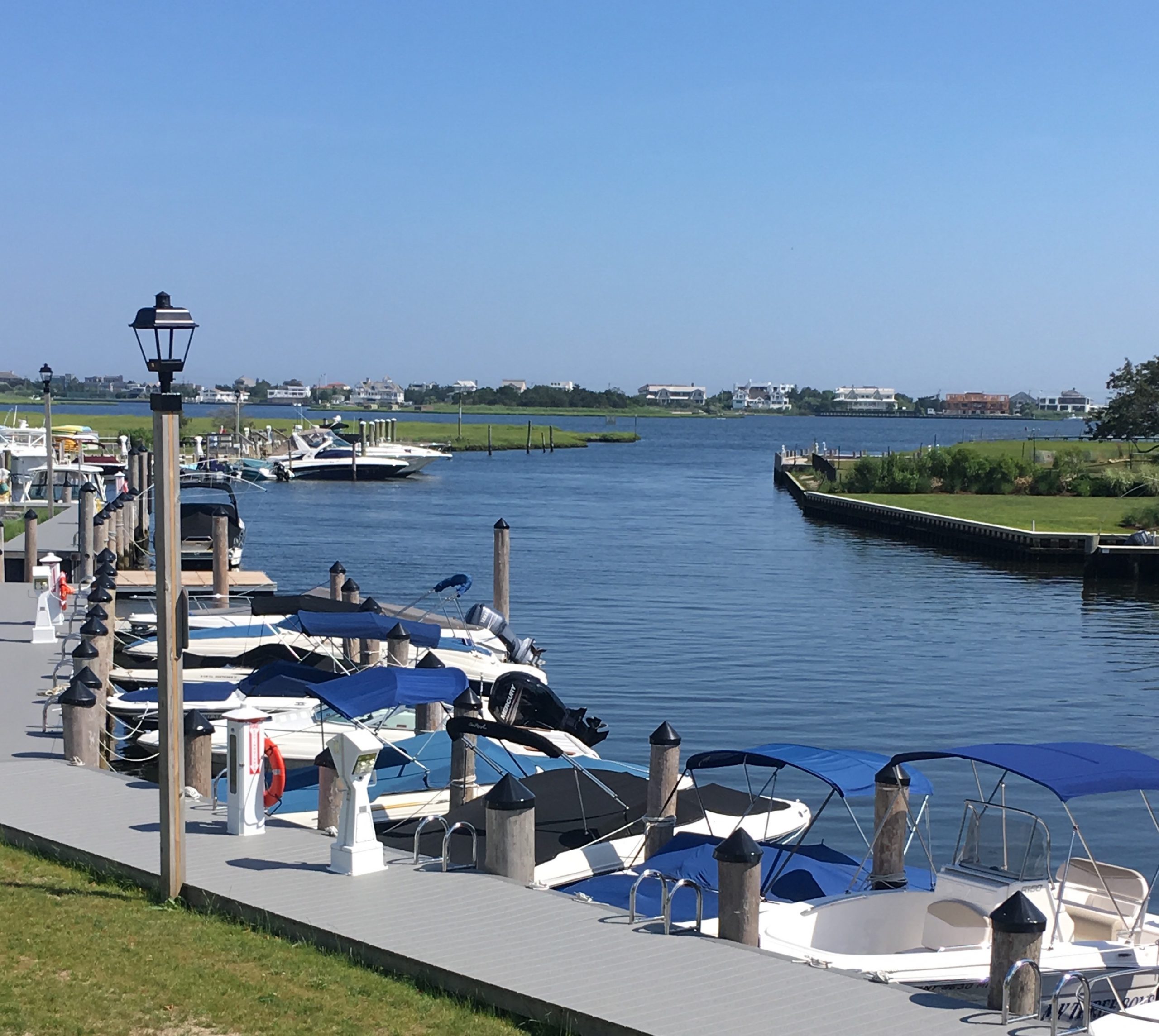
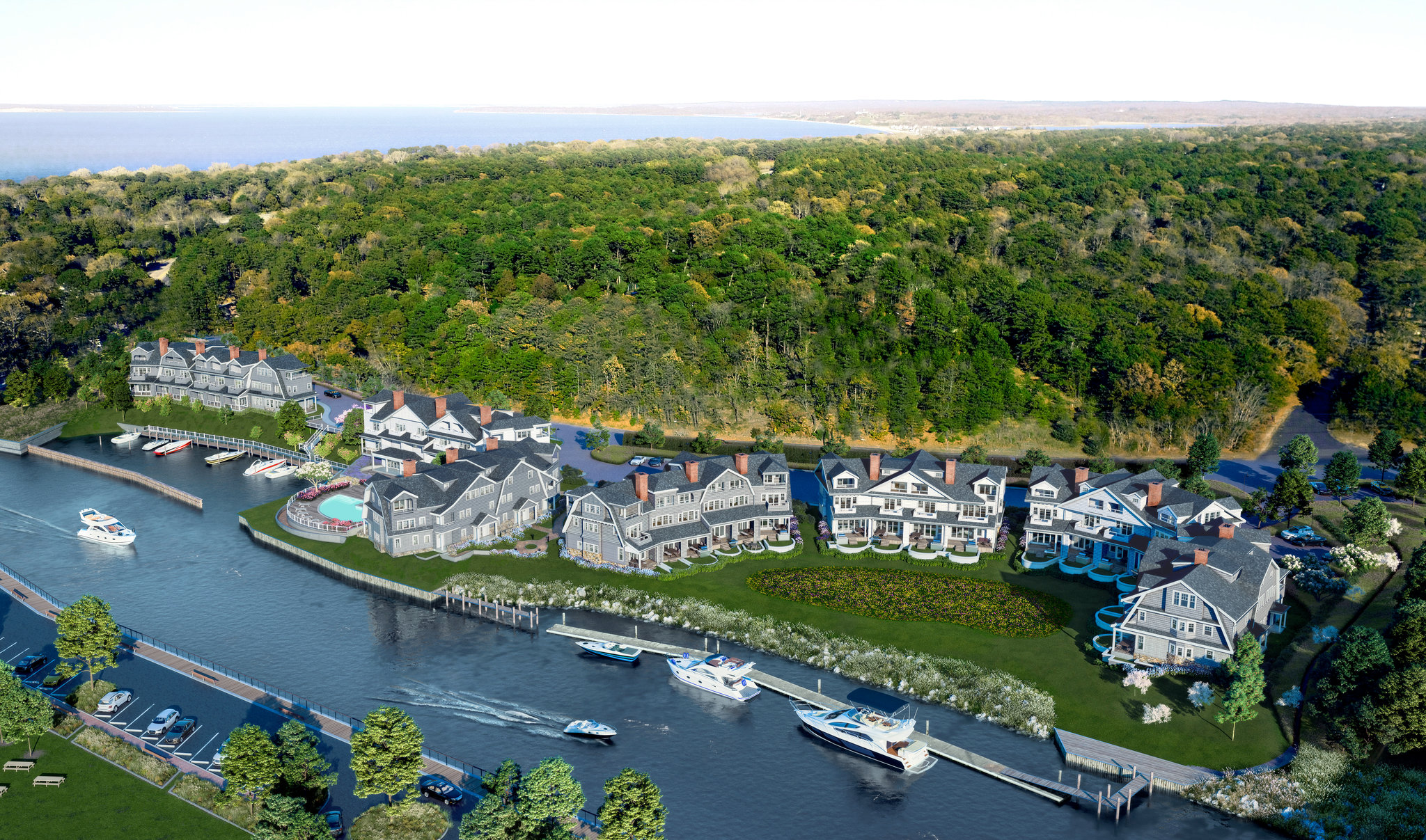
With so much of the island under preserve, marina and boatyard uses, seasonal inn properties, and waterfront residential rentals make up most of the realistic candidate set:
- marina and boatyard commercial parcels
- seasonal inn or small hospitality-adjacent property
- waterfront rental homes
- vacant residential lots outside the preserve boundary
Most waterfront parcels also rely on individual septic systems rather than any municipal sewer connection, and many sit close enough to tidal wetlands to require DEC or town review before a structure gets rebuilt or expanded. A buyer treating an island waterfront property as a straightforward improvement-exchange candidate should get both the septic condition and the wetlands jurisdiction confirmed before committing to a closing timeline, not after the identification list is already locked.
Coordinating Around the Boat Schedule
The qualified intermediary, appraiser, and title closer should have the ferry schedule in front of them when they build the diligence timeline, not after a missed connection costs a week. That's a small planning step, but it's the one a coordinator who's never actually worked Shelter Island tends to skip, and it's exactly the kind of gap that turns into a deadline problem no one saw coming.
Rental income used to underwrite a Shelter Island property also needs the same seasonal caveat that applies across the East End. A waterfront rental or a seasonal inn generates most of its revenue between late spring and early fall, and treating that stretch as representative of a full year overstates the property's stabilized income. Both the qualified intermediary and the client's tax advisor should confirm the income figures reflect the actual operating season, not an inflated annualized number.
Common 1031 Exchange Questions
Does ferry-only access actually affect exchange deadlines?
Not the federal 45-day or 180-day deadlines themselves, but it can affect how quickly inspections, appraisals, and closings can be scheduled, which matters when the exchange timeline is already tight.
How much of Shelter Island is actually available for investment property?
A meaningful share of the island is preserved land under the Mashomack Preserve and permanently off the market, which narrows the realistic footprint for buildable or income-producing property. That scarcity should be factored into how early a replacement search starts, since it shrinks the pool the identification list can realistically draw from.
Is marina or boatyard property a common 1031 replacement here?
Yes, marina and boatyard-adjacent commercial parcels are among the more realistic investment-grade assets on the island, alongside seasonal inn and waterfront rental property.
Why should a Shelter Island engagement letter mention ferry schedules?
Because contractor access, inspections, and closings all depend on ferry timing, and a scope that doesn't account for that risks losing real days in the exchange window to logistics rather than paperwork.
Does a Shelter Island waterfront property need special environmental review?
Many waterfront parcels sit close enough to tidal wetlands to require DEC or town review before any structure is rebuilt or expanded, and most rely on individual septic systems rather than municipal sewer, so both should be confirmed before an improvement exchange locks in a closing timeline.