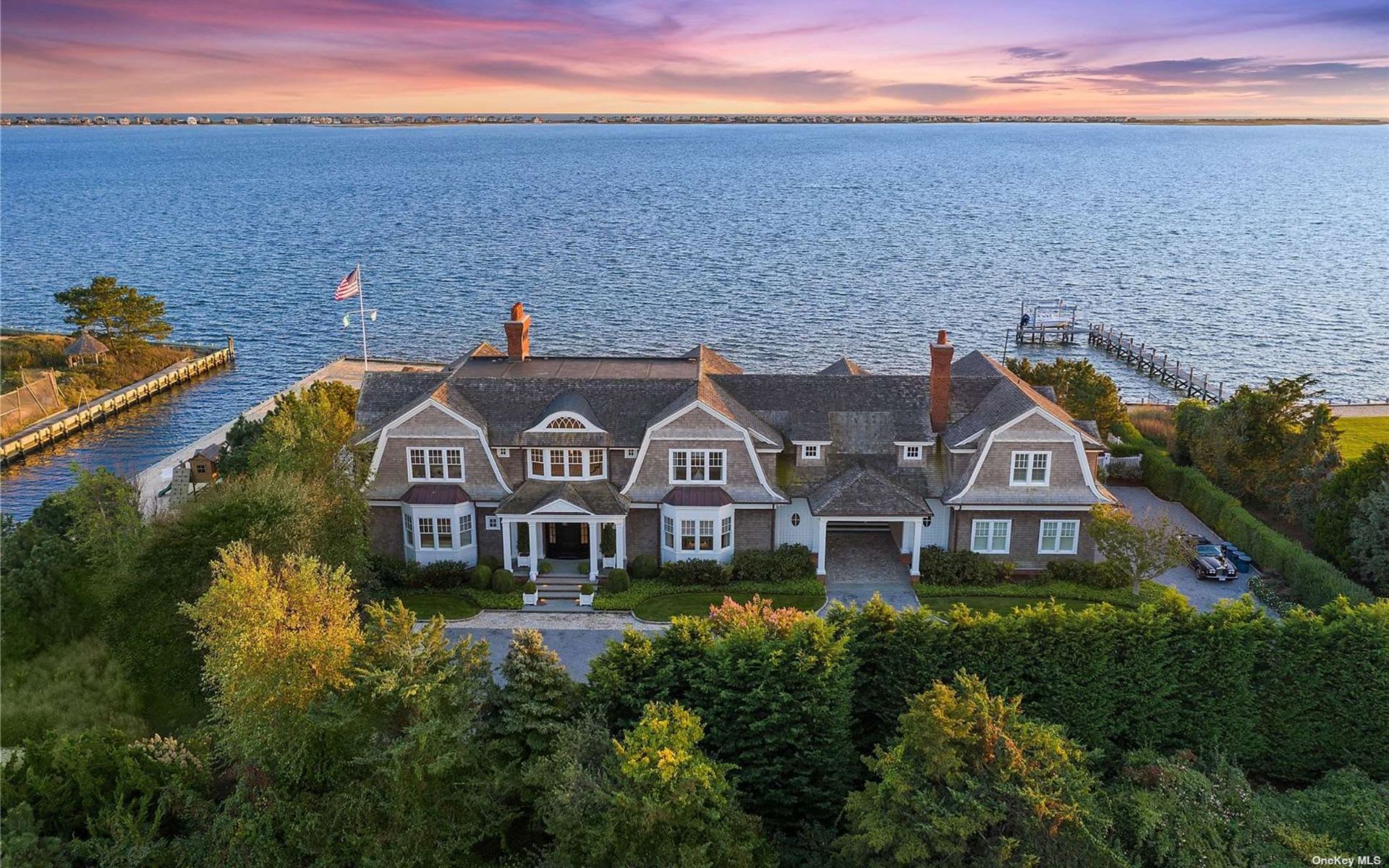
Ask a wholesaler what makes Hampton Bays different from the villages east of it and most will not have an answer, because the pitch deck was written for Southampton and reused here. Hampton Bays is the year-round working hub of the town, centered on the Shinnecock Canal and the commercial strip on Montauk Highway, and that changes what a real replacement search looks like.
The Canal Changes the Asset Mix
Marina slips, boatyards, and canal-adjacent commercial buildings near the Shinnecock Canal and Ponquogue Bridge sit alongside motels, restaurants, and marine service businesses along Montauk Highway. That mix means sellers here are often trading out of an asset with real seasonal cash-flow swings, which matters when a replacement buyer's lender starts asking about trailing income.
Enough Local Inventory for a Real Three-Property List
Hampton Bays is one of the few hamlets on this stretch of the South Fork where a genuine three-property list is usually achievable without leaning on the 200% workaround.
- marina and boatyard-adjacent commercial property
- motel and small-hospitality buildings
- retail along Montauk Highway
- marine service and repair space
- multifamily rental buildings
Sellers still need each candidate underwritten against real income and expense numbers, not last season's optimistic estimate.
Where the 95% Rule Comes In
When a seller wants to keep more than three candidates on the list and their combined value runs over 200%, the fallback is the 95% rule: acquiring at least 95% of the total value identified. That rule is unforgiving, since falling short by even a small amount disqualifies the whole identification, so it only makes sense when a seller is genuinely confident about closing on nearly everything named.
Reading a Marine or Hospitality Rent Roll Honestly
A T12 statement on a Hampton Bays motel or marina property that shows strong summer months and thin winter months is normal, not a red flag, but a seller or buyer who annualizes the peak months without adjusting for the off-season is setting up a financing conversation that will stall later. Lenders on the replacement side will ask for the full trailing twelve months, and a rent roll that only tells the summer story invites delay.
Coordinating Debt Across a Seasonal Asset
Boot on a Hampton Bays exchange often traces back to seasonal financing assumptions rather than a simple price mismatch. If the replacement property's debt is sized off peak-season income and the lender later underwrites to a lower annual average, the loan amount can shrink and leave the exchange short on the debt-replacement requirement. Getting a preliminary lender read before finalizing the identification list heads that off.
What a Motel or Marina Listing Should Disclose
A Hampton Bays motel or marina listing that shows only peak-season revenue is not a complete picture, and a seller or buyer relying on it for financing purposes should ask for the full trailing twelve months before treating the number as real. The same standard applies to a sourcing proposal recommending a replacement property here: ask whether the fee is contingent on a specific recommendation, whether seasonal income was annualized honestly, and whether the qualified intermediary's timeline accounts for how slow local closings can get once the season ends. Getting those answers in writing avoids a financing surprise close to the 180-day deadline.
Common 1031 Exchange Questions
Why does Hampton Bays support a fuller commercial identification list than other hamlets nearby?
As the largest year-round population and commercial center in the town, Hampton Bays has more active retail, marina, and hospitality inventory along the Shinnecock Canal and Montauk Highway corridor than the more seasonal villages to the east.
When should a Hampton Bays seller use the 95% rule instead of the three-property rule?
The 95% rule applies when a seller wants to identify more properties than the three-property rule allows and their combined value exceeds 200% of the relinquished property, but it requires closing on nearly all of the identified value.
Why do lenders scrutinize Hampton Bays motel and marina income so closely?
These assets carry strong seasonal swings between summer and winter, so lenders typically underwrite to a full trailing twelve months rather than peak-season revenue alone.
What is a common cause of boot in a Hampton Bays hospitality exchange?
Boot can arise when a replacement property's loan is sized against peak-season income and the lender later reduces it based on annualized income, leaving the exchange short of the required debt replacement.
Does marine or marina-adjacent property qualify as like-kind for a commercial exchange?
Yes, marina and boatyard real estate held for investment or business use is like-kind to other commercial real property under the exchange rules.
What should a Hampton Bays motel or marina seller ask for before trusting a revenue estimate?
The full trailing twelve months of income and expenses, not only peak-season figures, since lenders on the replacement side will require the same complete picture.
Does the qualified intermediary account for slower off-season closing timelines?
Not automatically; sellers should confirm directly that the identification and closing schedule accounts for how transaction activity slows once the summer season ends.
Should a Hampton Bays seller get an independent appraisal on a marina or motel property?
Yes, an independent appraisal that accounts for seasonal income patterns gives a more reliable value than relying solely on a broker's asking-price opinion.
Why might a Hampton Bays financing timeline slip during the identification period?
Lenders reviewing seasonal hospitality or marina income sometimes ask for additional documentation once they see the trailing twelve months, which can add time a seller did not originally budget for.