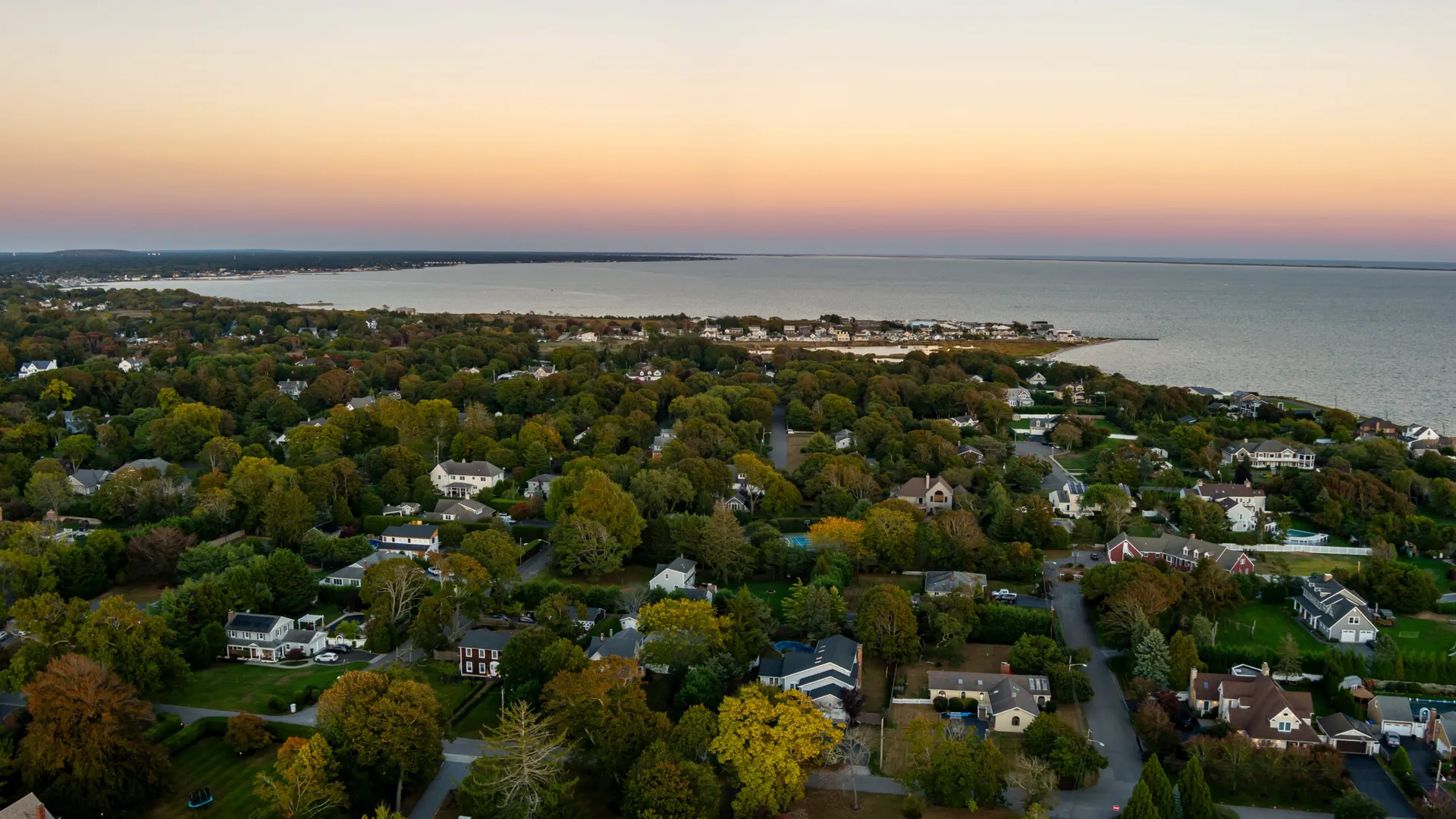
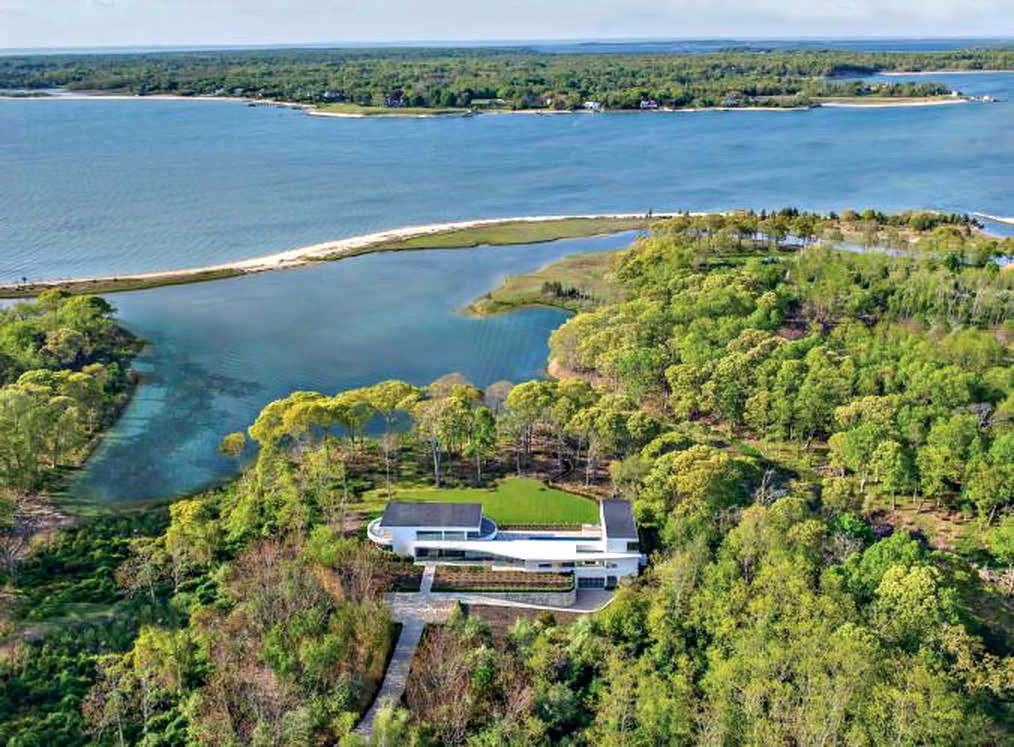
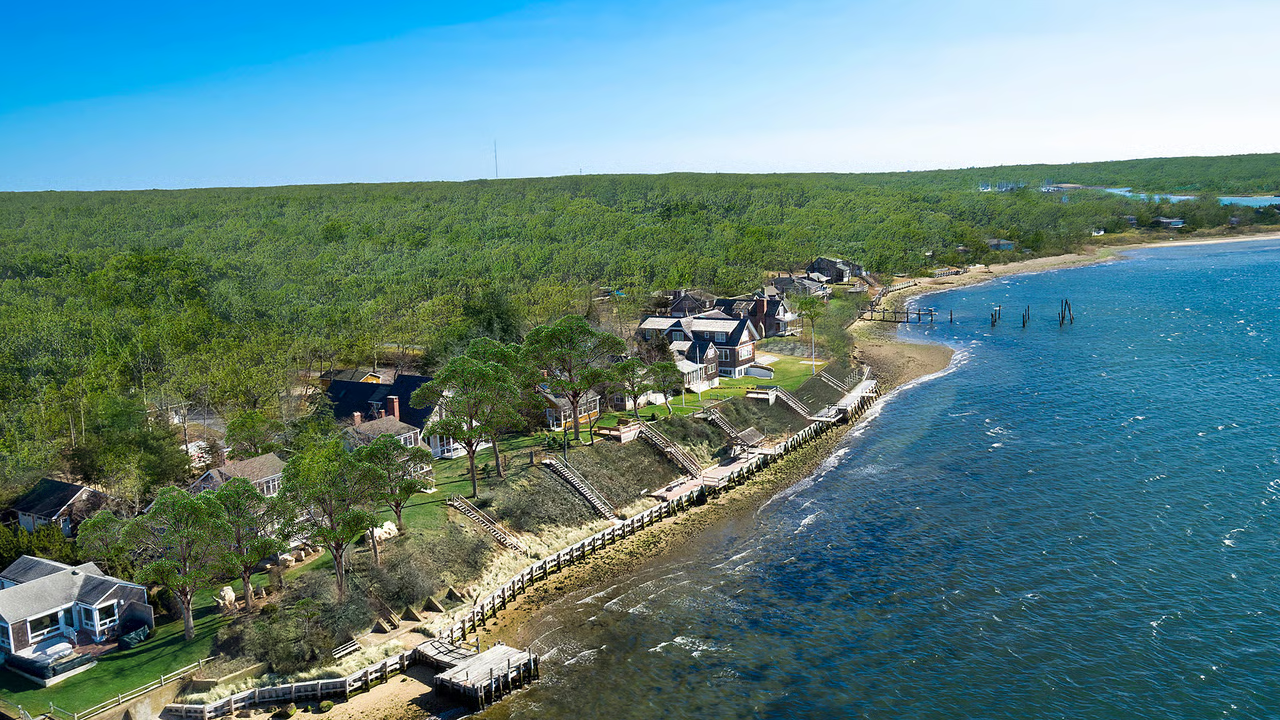
Remsenburg sits on the quieter, western edge of the Town of Southampton, and it reads that way on the ground: bay-front estate parcels and farmland rather than a built-up commercial strip. An exchange here starts from a different asset base than the resort hamlets further east, and it's a mistake to price it off those hamlets' comps just because they share a town line.
No Corridor to Point At
Unlike hamlets with a Main Street or a highway retail strip, Remsenburg doesn't have a built commercial core inside its own boundaries. Its investment-grade real estate is mostly larger residential and waterfront parcels along Seatuck Cove and the Moriches Bay shoreline, some of it agricultural in origin, plus a handful of rental homes that function as income property.
That means the phrase 'investment property' in Remsenburg usually means a rented waterfront house or a held parcel of land, not a retail building with tenants.
Much of that bay-front acreage also sits close enough to tidal wetlands to fall under DEC and town wetlands setback review before any structure gets rebuilt or expanded, which changes the timeline for a value-add strategy that assumes a straightforward renovation permit. A buyer treating a Remsenburg waterfront parcel as a quick improvement-exchange candidate needs that wetlands review priced into the schedule before the 180-day clock starts feeling tight.
What a Boilerplate Proposal Assumes Wrong
A quote written for a hamlet with an actual commercial base often assumes there's a retail or multifamily comp set to draw replacement candidates from. In Remsenburg that assumption doesn't hold, and a coordinator who hasn't actually worked the area will default to generic language about 'local market conditions' instead of naming the real constraint: there's very little commercial stock to identify against inside the hamlet itself.
The honest scope is to treat the bay-front residential-rental stock as the relevant local comparable set and plan the identification list around neighboring Speonk and Westhampton corridors for anything beyond that. Any purchase inside the Town of Southampton, including Remsenburg, also carries the 2% Community Preservation Fund transfer tax on the buyer's side, and that cost should be modeled into the replacement candidate's total acquisition price before it's compared against a non-CPF alternative further west.
The realistic candidate set for a Remsenburg exchange typically pulls from a short list:
- bay-front rental homes along Seatuck Cove or Moriches Bay
- held agricultural or vacant land parcels within the hamlet
- self-storage or light-industrial stock in neighboring Speonk
- small mixed-use or retail buildings toward Westhampton
- DST interests as a fallback when no local property closes in time
Boot and Mixed-Use Waterfront Parcels
Waterfront estate parcels here sometimes carry a mix of raw land and improved structure value, and a seller trading into a different asset type needs the boot calculation reviewed carefully so cash or non-like-kind property received doesn't create unexpected taxable gain. That review belongs with the client's tax advisor, not left to a generic closing checklist.
Older homes on these parcels often still run on cesspools or original septic systems rather than the county's current I/A OWTS nitrogen-reducing standard, and a septic upgrade required at resale or renovation is a real line item that affects both the relinquished property's net sale proceeds and a replacement candidate's true carrying cost. Skipping that diligence step is a common way a Remsenburg exchange runs into an unbudgeted expense late in the process.
Coordinating Past the 45 Days
Because the replacement search commonly reaches into Speonk, Westhampton, or further east, the qualified intermediary and the client's advisor need the identification list documented with a clear reason for each candidate outside Remsenburg proper. That documentation matters if the IRS ever questions why the exchange looked beyond the immediate area — the answer is that there wasn't a viable local alternative, not that the search was careless.
Any rental income used to underwrite a Remsenburg bay-front property also needs a seasonal adjustment before it's compared to a year-round asset elsewhere. A house that rents heavily from Memorial Day through Labor Day and sits mostly empty the rest of the year isn't a stabilized twelve-month income stream, and annualizing the summer rate without adjusting for the shoulder and winter months overstates the property's real replacement value.
Common 1031 Exchange Questions
Is there enough commercial property in Remsenburg to trade into?
Not really inside the hamlet's own boundaries. Most viable replacement candidates for a Remsenburg exchange come from the surrounding corridor, since Remsenburg itself is mostly residential and waterfront land rather than built commercial stock.
Does selling a waterfront estate here trigger boot automatically?
Not automatically, but mixed land-and-structure waterfront parcels need a careful boot review before closing, since cash or non-like-kind value received in the trade can create taxable gain even inside an otherwise valid exchange.
Why would a Remsenburg identification list include Speonk or Westhampton properties?
Because Remsenburg has little standalone commercial or multifamily stock, a realistic replacement search usually has to include nearby hamlets from the start rather than waiting to expand after a local search comes up empty.
What should a Remsenburg exchange file document that a generic template skips?
A written explanation of why the search area extended beyond Remsenburg, tied to the actual absence of comparable local stock, so the identification list holds up if it's ever reviewed.
Does wetlands review affect a Remsenburg waterfront exchange?
It can. Parcels near Seatuck Cove or the Moriches Bay shoreline are often close enough to tidal wetlands to require town or DEC setback review before rebuilding or expanding a structure, and that review timeline should be built into an improvement exchange from the start rather than discovered mid-project.