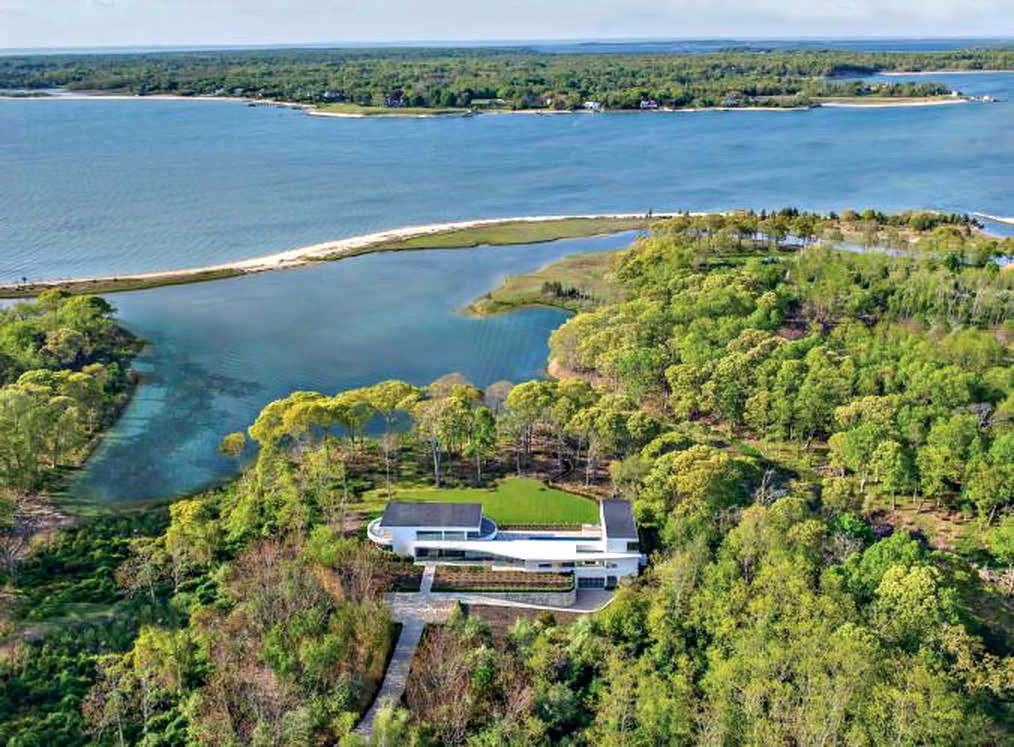
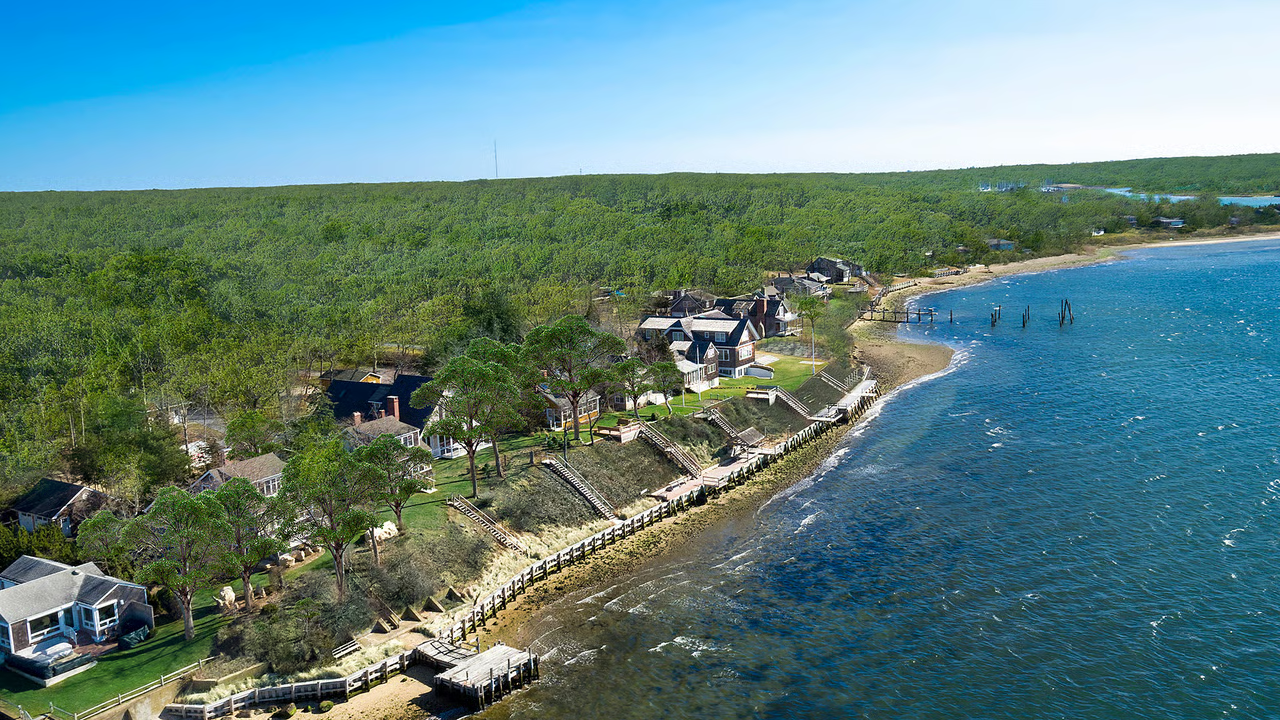
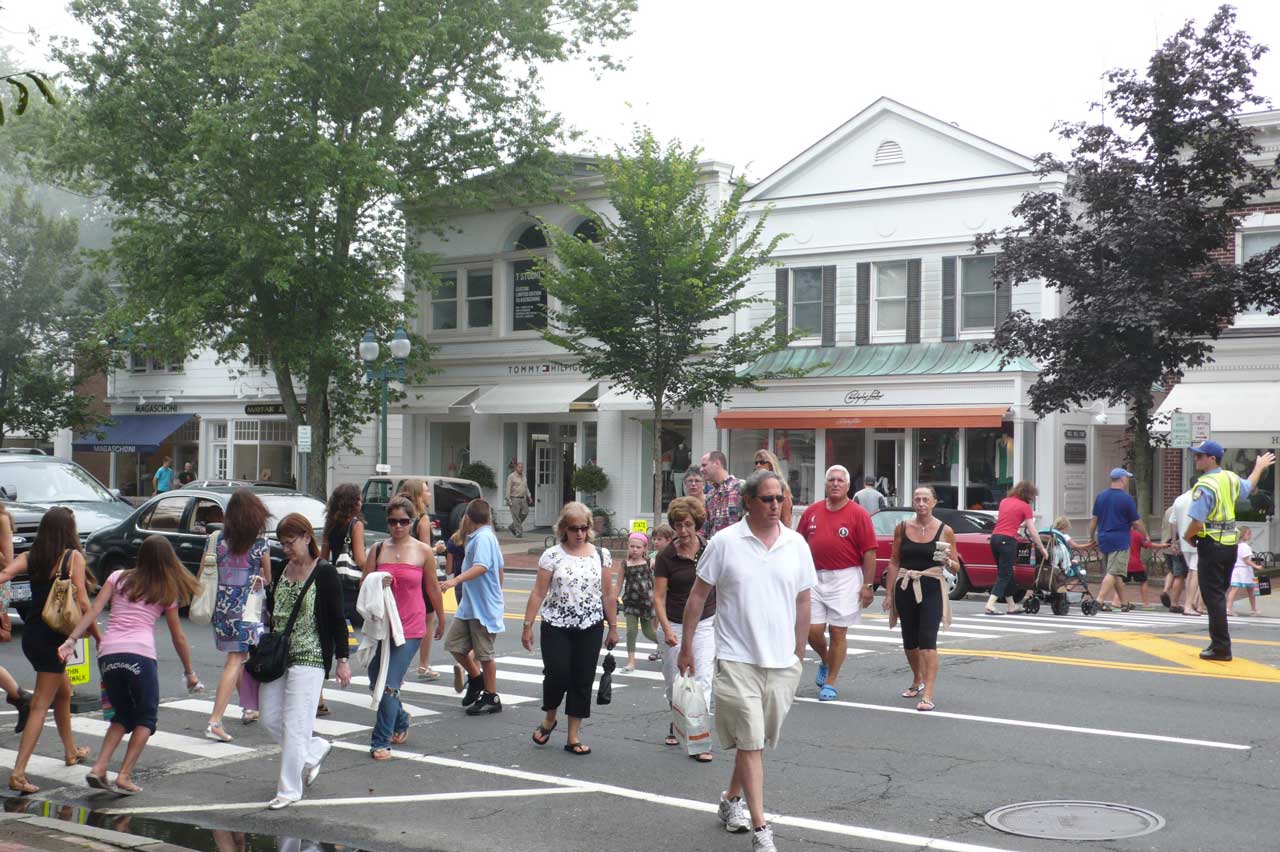
A generic exchange page will describe Noyack as Sag Harbor overflow. That undersells it and gets the geography backwards. Noyack sits on its own stretch of Noyack Bay between Sag Harbor and North Sea, and its property base is mostly residential and waterfront, not commercial retail.
What Sellers Actually Own Here
Investment-use property in Noyack tends to be a rental house near the water, a small parcel along Noyac Road, or occasionally a marina-adjacent lot. Very little of it resembles the retail or office buildings that dominate exchange conversations in busier hamlets, and a seller here needs a replacement strategy that reflects that reality rather than a template written for a commercial corridor.
Building an Identification List That Reflects the Bay, Not the Village
A workable Noyack identification list usually spreads across a mix of waterfront and inland candidates.
- rental or investment housing near Noyack Bay
- small commercial parcels along Noyac Road
- retail or mixed-use property in nearby Sag Harbor
- marina or waterfront-adjacent commercial land
- DST interests for sellers ready to step away from active ownership
Because several of those categories rarely trade at the same time, sellers who wait to see what comes up locally often run out of runway before the 45 days close.
Why the 95% Rule Fits a Multi-Property Noyack Search
Sellers identifying several smaller waterfront and inland parcels at once, rather than one large replacement, sometimes need the 95% rule: acquiring at least 95% of the total fair market value of everything identified. It is a stricter standard than the three-property rule, so it only makes sense when the seller has real confidence in closing on nearly every property named, not only the preferred one.
Like-Kind Scope From Waterfront to Inland
A Noyack seller relinquishing a waterfront rental is not limited to buying another waterfront property. Current like-kind rules cover any real property held for investment or business use exchanged for any other qualifying real property, so an inland retail building, a self-storage facility, or a DST interest in an entirely different market all qualify equally, as long as the intent to hold for investment is genuine on both ends.
Timing the 45 Days Against a Bay-Adjacent Closing
Waterfront closings near Noyack Bay sometimes involve survey, bulkhead, or riparian rights questions that take longer to resolve than an inland closing would. Those issues do not extend the 45-day identification window, so sellers who expect a waterfront-to-waterfront trade should start engaging a surveyor and title company well before the relinquished sale closes, not after identification is due.
What a Multi-Property Sourcing Plan Should Confirm
A broker proposing several smaller Noyack-area candidates to satisfy the 95% rule should confirm, in writing, a realistic closing likelihood for each one, not only the preferred candidate. Since the 95% rule requires closing on nearly all identified value, a plan built on optimistic assumptions about two or three marginal properties is a bigger risk here than it would be under the more forgiving three-property rule. Asking the broker to rank the candidates by actual closing certainty, rather than by preference, is a reasonable check before the identification list is filed.
Common 1031 Exchange Questions
Is Noyack mostly a commercial or residential market for exchange purposes?
Mostly residential and waterfront; investment-use property here is typically a rental house or a small parcel along Noyac Road rather than retail or office space.
When does the 95% rule make sense for a Noyack seller?
It applies when a seller identifies several smaller waterfront and inland candidates whose combined value exceeds 200% of the relinquished property, and it requires closing on at least 95% of the total identified value.
Does a Noyack waterfront seller have to replace with another waterfront property?
No, like-kind scope covers any real property held for investment or business use, so a waterfront rental can be exchanged for inland retail, storage, or other qualifying commercial real estate.
Why do bulkhead or riparian rights issues matter for a Noyack closing?
They can add time to title and survey work on a waterfront replacement property, and since the 45-day identification window does not extend for these delays, engaging a surveyor early is important.
Can a Noyack seller include a Sag Harbor property on their identification list?
Yes, replacement property does not need to sit within Noyack's boundaries; any like-kind real property held for investment or business use qualifies regardless of hamlet.
Why is a multi-property Noyack identification list riskier under the 95% rule?
Because the rule requires closing on nearly all of the identified value, so overly optimistic assumptions about marginal candidates carry more consequence than under the three-property rule.
What should a broker confirm when proposing several smaller Noyack replacement candidates?
A realistic closing likelihood for each candidate, ranked honestly rather than simply by preference.
Should a Noyack seller confirm survey and bulkhead status before identifying a waterfront replacement?
Yes, confirming these details early avoids discovering a costly title or permitting issue after the 45-day identification period has already closed.
Is Noyack a good fit for a seller who wants to stay in a similar waterfront lifestyle after the exchange?
It can be, but sellers should weigh that preference against the practical reality that inland or Sag Harbor options often close faster and with fewer complications.
Should a Noyack seller expect the same identification timeline as a seller in a busier commercial hamlet?
The 45-day window is the same regardless of location, but a thinner local market means the search often has to start earlier and range further to fill it out in time.