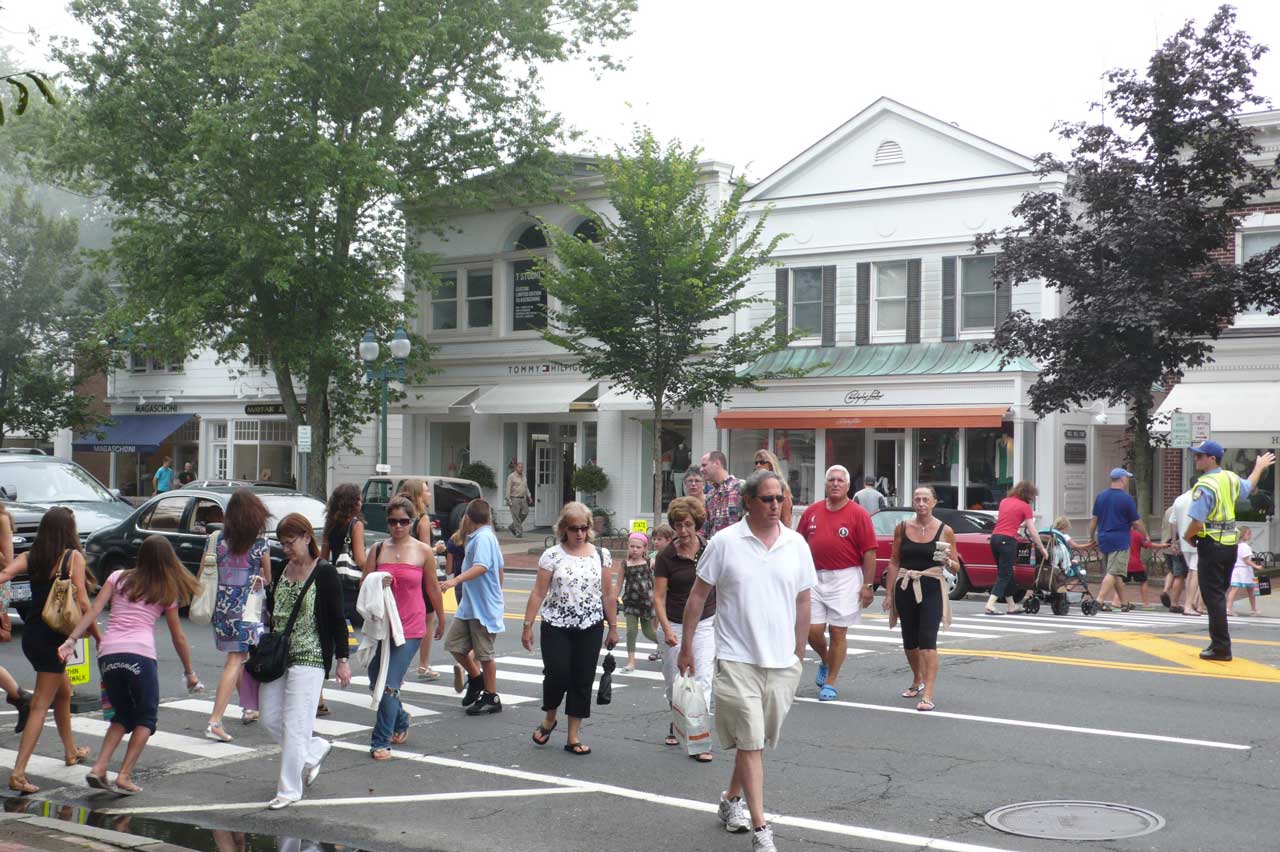
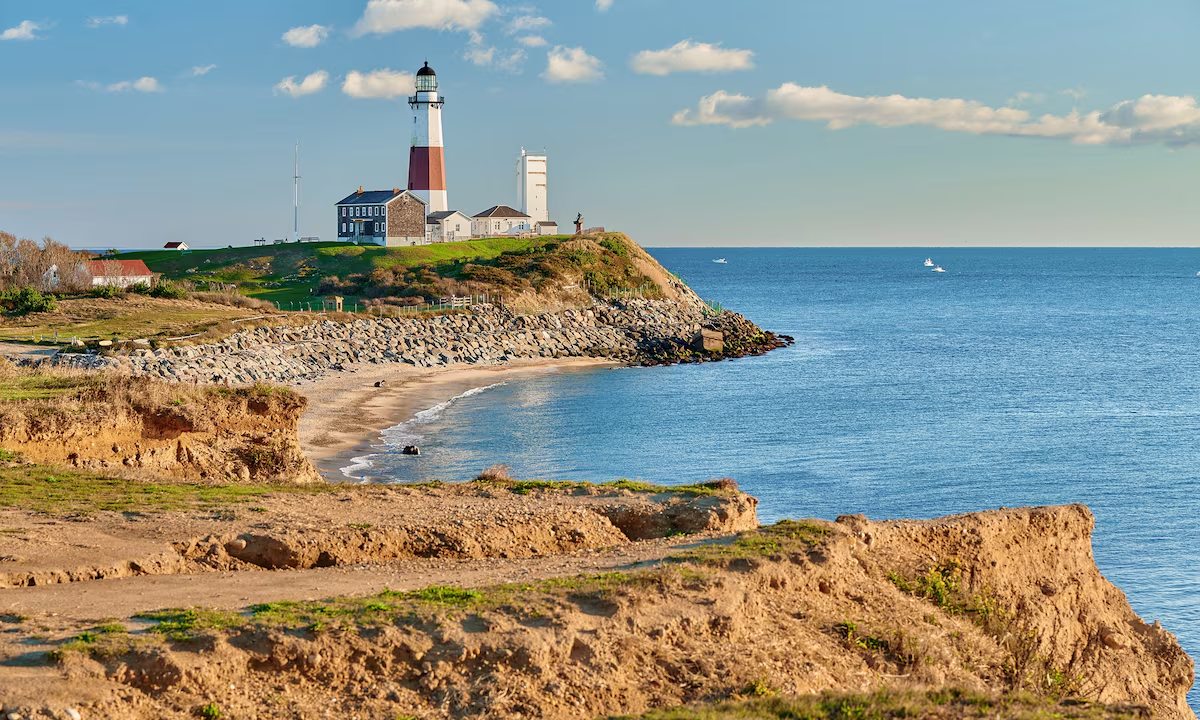
Anyone pitching Northwest Harbor as a commercial hotspot has not walked the area. This part of East Hampton town, wrapped around Gardiners Bay and bordered by the Grace Estate preserve, is wooded residential land and protected open space, not a retail or office market.
Why Conservation Land Shapes the Exchange Conversation
A meaningful share of the ground near Northwest Woods and Barcelona Neck is preserved or otherwise restricted from commercial development, which limits what a seller here can realistically expect to find as replacement property in the immediate area. Sellers relinquishing an investment-use property in Northwest Harbor are usually looking well beyond the neighborhood for anything that matches their exchange requirements.
The Short List of What's Actually Nearby
What limited commercial-adjacent property does exist near Northwest Harbor tends to fall into a narrow set of categories.
- marina or waterfront-adjacent commercial parcels
- rental housing in East Hampton village or Springs
- small retail near North Main Street
- DST interests for full asset-class diversification
- net-leased retail off the East End
Most of that inventory sits outside Northwest Harbor proper, which is normal and expected given how little of the neighborhood is zoned for commercial use.
Building a Three-Property List Without Padding It
Because so little truly qualifies as local commercial candidates, a workable three-property list for a Northwest Harbor seller usually pulls from Springs, East Hampton village, and Sag Harbor rather than the immediate neighborhood. Naming a residential-zoned parcel just to fill out a list, on the theory that a variance might come through later, is the kind of shortcut that fails identification requirements when the variance does not materialize in time.
What the Qualified Intermediary Coordinates and What It Does Not
The qualified intermediary escrows the relinquished sale proceeds and handles exchange documentation on the timeline required. It does not evaluate whether a candidate parcel's zoning realistically supports the intended use, and it will not chase down a conservation easement question on the seller's behalf. That work belongs to the seller's attorney and land-use consultant, and skipping it because the QI is involved is a mistake that surfaces during the closing diligence period, not before.
Boot on a Land-for-Building Trade
Sellers exchanging out of raw or lightly improved Northwest Harbor land into a fully built commercial property sometimes assume the improved asset automatically satisfies the exchange. It depends entirely on value and debt, not on whether the replacement has a building on it. Comparing the relinquished land's fair market value directly against the replacement property's price and financing avoids a boot surprise at closing.
What a Zoning Claim Should Be Verified Against
A broker who describes a Northwest Harbor-adjacent parcel as buildable for commercial use should be asked to produce the actual zoning designation and any conservation easement recorded against the property, not a general assurance that it should work. Given how much of this area sits inside or near protected land, a seller who skips this step risks naming a candidate on the identification list that cannot legally support the intended use once the details surface later in due diligence. A written zoning and easement confirmation before identification is a small ask that prevents a large problem.
Common 1031 Exchange Questions
Is there commercial property available directly in Northwest Harbor?
Very little, since much of the area near Northwest Woods and Barcelona Neck is preserved or zoned residential, so most sellers identify replacement property in nearby East Hampton village, Springs, or Sag Harbor instead.
Can a residential-zoned parcel be identified on the theory that a zoning variance will come through later?
No, identification requires the property to actually qualify as suitable replacement property within the 45-day window; relying on a future variance that has not been granted is a common and risky shortcut.
Does the qualified intermediary check conservation easements or zoning restrictions on a candidate property?
No, that review falls to the seller's attorney and land-use consultant; the intermediary's role is limited to escrowing funds and preparing exchange documents.
What happens if a Northwest Harbor seller exchanges raw land for a fully built commercial property?
The exchange itself is permitted since both are like-kind real property, but boot exposure depends on comparing the relinquished land's value and debt against the replacement property's price and financing, not on whether a building is present.
Why do Northwest Harbor sellers often widen their search to Springs or East Hampton village?
Because so little of Northwest Harbor itself is zoned for commercial use, a realistic three-property identification list usually requires looking at nearby hamlets with active commercial or rental inventory.
What should be verified before naming a Northwest Harbor-adjacent parcel as a replacement candidate?
The actual zoning designation and any recorded conservation easement, confirmed in writing rather than taken on a broker's general assurance.
What happens if a candidate parcel's zoning does not support the intended commercial use?
The identification could effectively fail to produce usable replacement property, so this verification should happen before the parcel is added to the list, not after.
Who should confirm whether a Grace Estate-adjacent parcel carries development restrictions?
The seller's attorney or a land-use consultant should confirm this directly with the town, rather than relying on a broker's general description of the property.
Does proximity to preserved land automatically disqualify a parcel from commercial use?
Not automatically, but it often limits what can be built or expanded, so the zoning and easement details need to be confirmed before the parcel is relied upon for identification.