Quogue is one of the smallest incorporated villages on the South Fork, and that shows up directly in exchange math. A property owner selling here isn't choosing between a dozen comparable replacement candidates inside the village; in most years there are none.
A Village That Doesn't Turn Over
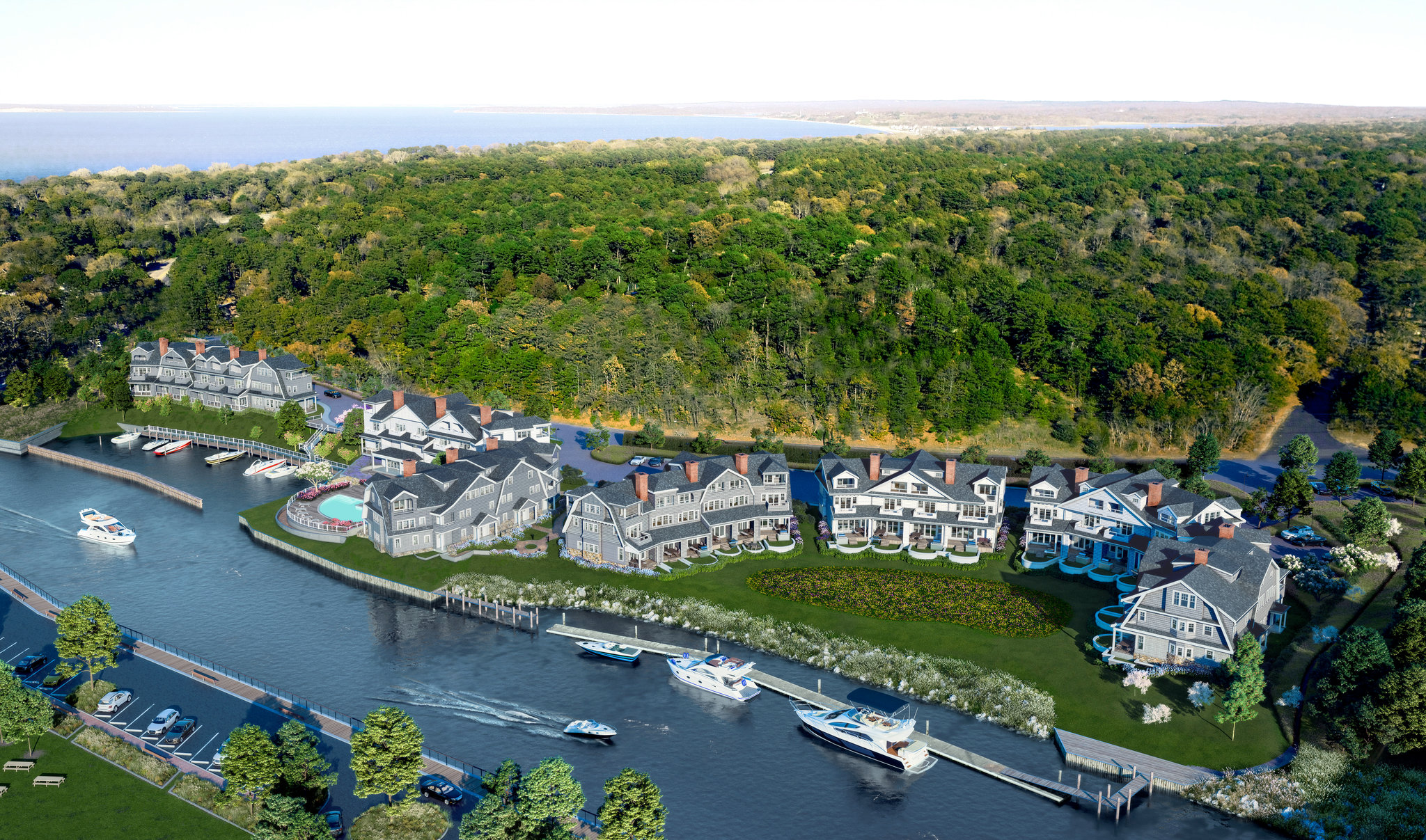
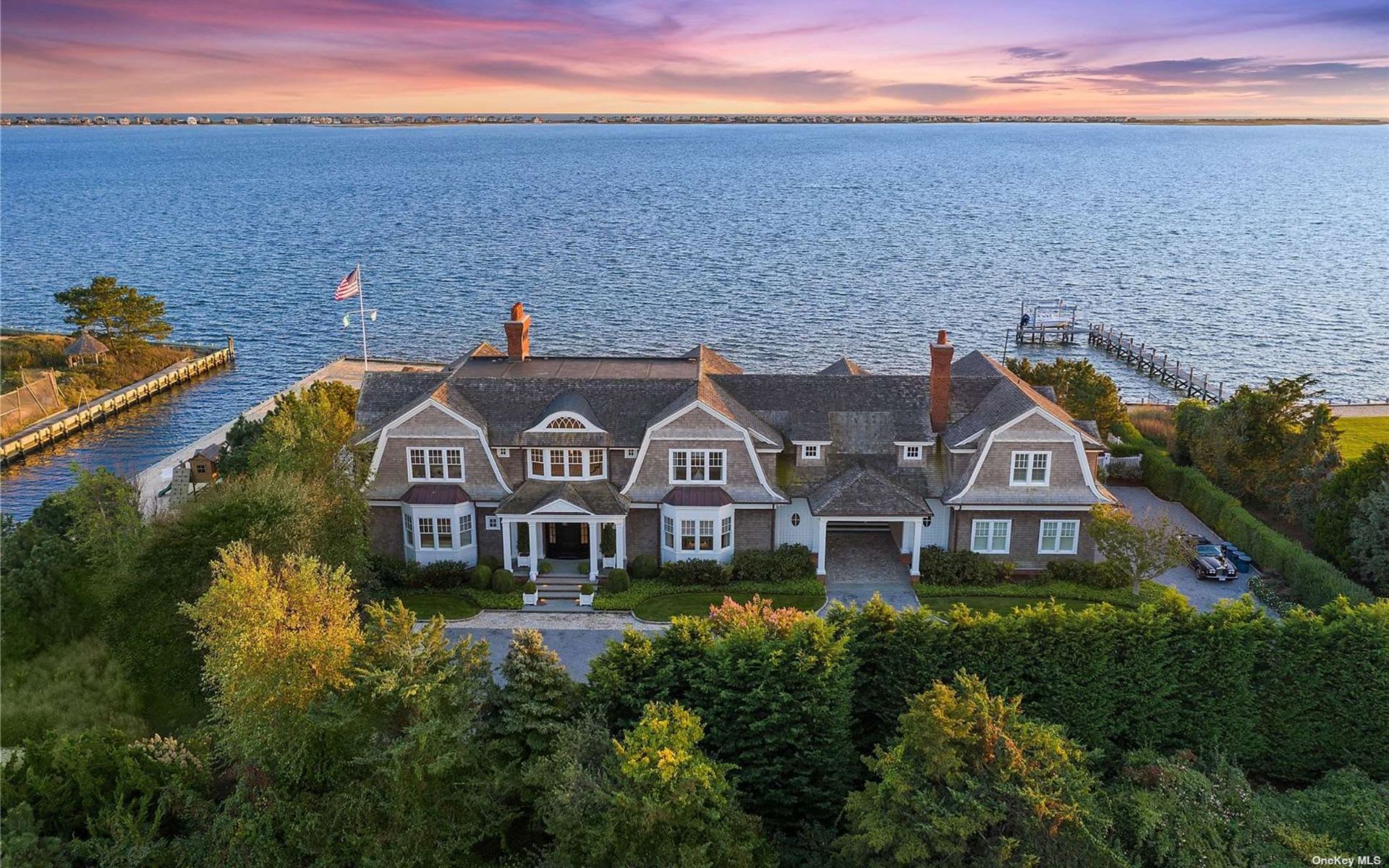
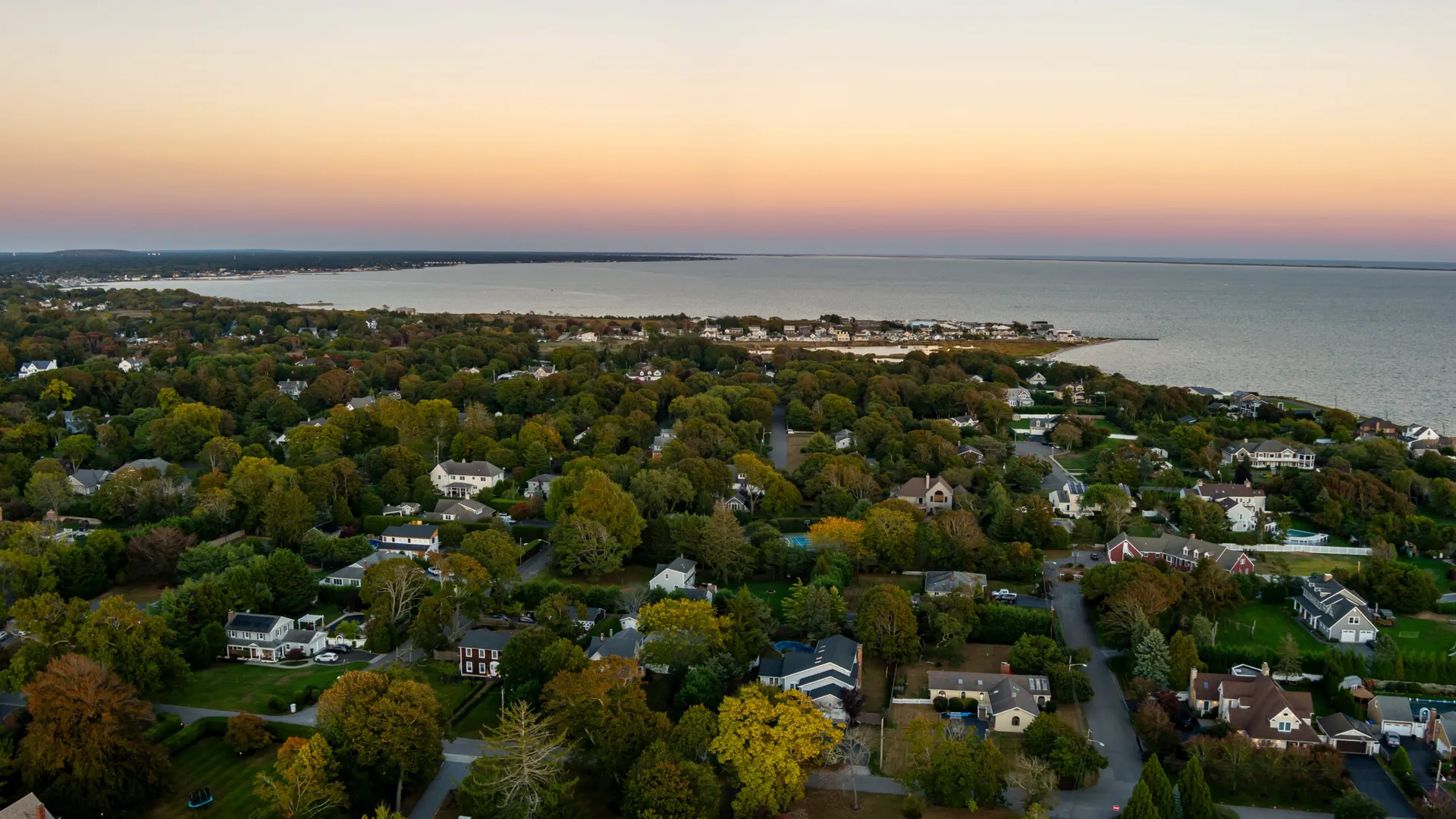
Quogue's footprint is mostly large single-family lots, much of it bordered by the Quogue Wildlife Refuge and the Dune Road barrier beach. Village zoning keeps the commercial footprint almost nonexistent, and the refuge land itself is permanently off the market. Sale volume inside the village line is low enough that a broker can name most of the active listings from memory.
That scarcity is normal for Quogue, not a sign that something is wrong with the exchange. It just means the replacement search has to start wider than the client usually expects. Any sale that does close inside the village also carries the Peconic Bay region's Community Preservation Fund transfer tax, a 2% charge on the buyer's side that has to be underwritten as a real closing cost when a client is comparing a Quogue candidate against a similar property in a town without that fund.
Older houses converted to seasonal rental income also tend to run on cesspools or aging septic systems rather than the newer I/A OWTS nitrogen-reducing units the county now requires for new construction and many replacements near the bay. A buyer relying on rental income from one of these properties should expect a septic upgrade to come up in diligence, and that cost belongs in the underwriting before the property is named on an identification list, not after.
What Actually Trades Near Quogue
Because so little turns over inside the village itself, the realistic replacement set pulls from the immediate corridor around it:
- seasonal rental houses on the Quogue-East Quogue line
- vacant residential lots inside or adjacent to the village
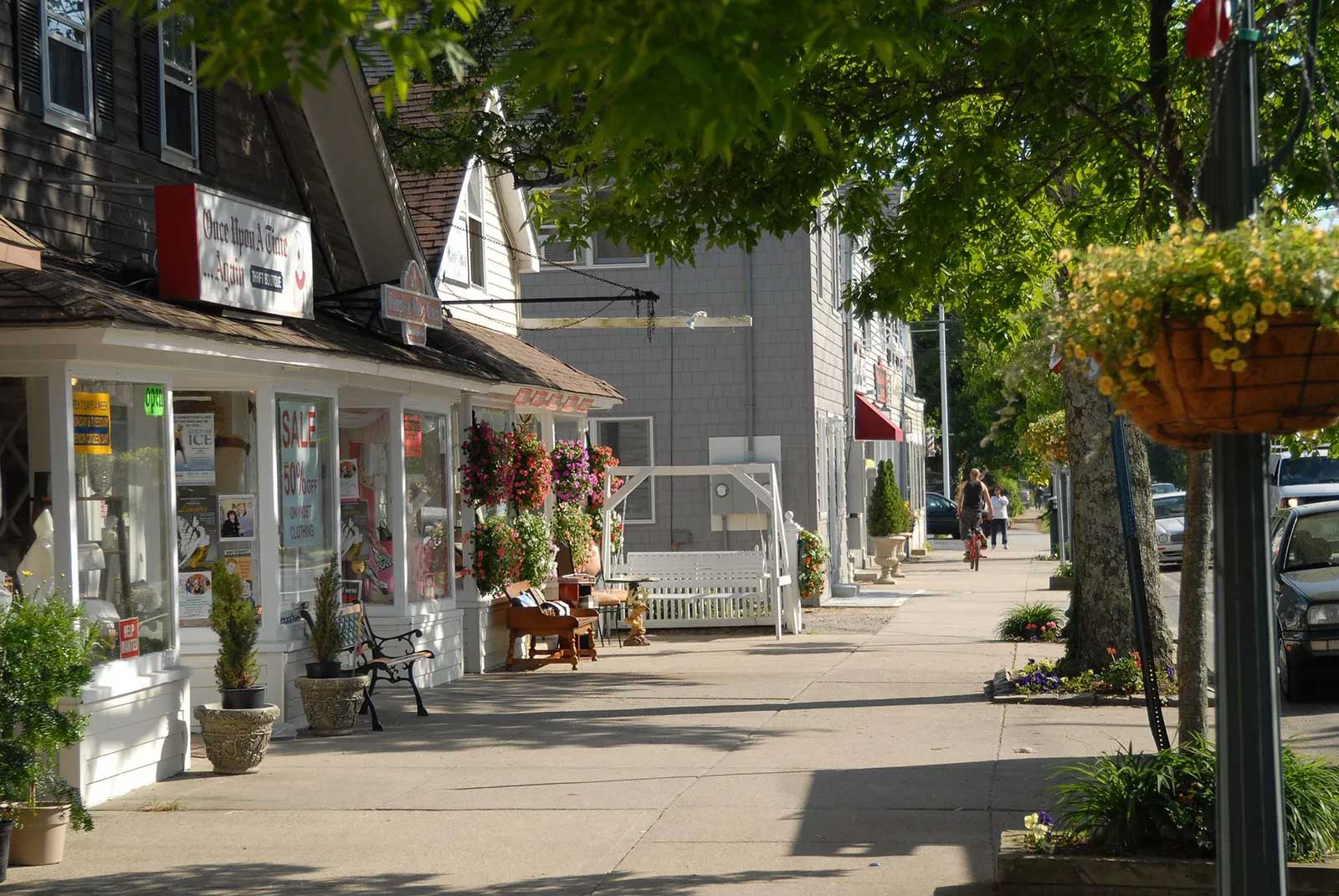
- small mixed-use buildings toward Westhampton Beach
- land parcels bordering the wildlife refuge
- DST interests as a fallback when no local candidate closes in time
The Scope Gap in Most Quotes
A generic exchange engagement letter written for a normal suburban market assumes there's an active comp set to identify against. That assumption breaks in Quogue immediately, and most out-of-area providers never say so up front. They quote the standard identification and closing coordination scope, then discover mid-exchange that there's nothing local to identify.
An advisor who actually works this village should be widening the search to East Quogue and the Westhampton corridor from day one, not after the first attempt at a local match fails. That widening isn't a scope change worth an extra invoice line; it's the baseline for anyone honest about the Quogue market.
Identification Under Thin Stock
With so few local candidates, the identification list under the three-property rule or the 200% rule usually leans on backups from outside the village well before the 45-day deadline arrives. That's a deliberate hedge, not overreach: naming a broader set of replacement candidates protects the exchange if the one property that looked promising falls through diligence or the seller stalls.
Any income figures used to underwrite a Quogue-area rental also need a seasonal adjustment. A rent roll that looks strong in July and August can be misleading if it's annualized without accounting for the shoulder months, when a seasonal house near the village sits empty or rents at a fraction of the summer rate. Treating a summer-only lease as a stabilized twelve-month income stream overstates the property's value and can throw off the replacement-value comparison the exchange depends on.
Getting the Handoff Right
Because the replacement list often extends beyond the village, the qualified intermediary, the client's tax advisor, and the broker need a shared written record of why the search area expanded and which candidates are still live. That record should note where each property sits relative to the 45-day and 180-day clock, and who is responsible for confirming financing and title before the identification language locks in. Skipping that step is exactly the kind of shortcut that turns a thin market into a missed deadline.
Common 1031 Exchange Questions
Does an exchange starting in Quogue have to end in Quogue?
No. Like-kind property for a 1031 exchange only has to be U.S. real property held for investment; it doesn't have to sit inside the village line. Given how little turns over locally, most Quogue sellers end up identifying replacement candidates in the surrounding corridor or further afield.
Why do national exchange marketing quotes miss Quogue's inventory problem?
Most template proposals are written against a normal market with visible comparables. Quogue rarely has any, so a quote that doesn't flag a wider search area from the start is underscoping the work needed to hit the 45-day identification deadline.
Can a DST interest work as a backup replacement here?
It can. A Delaware statutory trust placement is a common fallback when no local property will close in time, though it should be reviewed with the client's tax advisor for fit before it's added to an identification list.
Does refuge-adjacent land carry any special exchange risk?
Land bordering the Quogue Wildlife Refuge can have limited buildable area or use restrictions that affect valuation and financing timelines, so it needs the same diligence as any other candidate before it's counted on to satisfy the exchange.
How early should identification start for a Quogue sale?
Earlier than for a typical market. Because comparable stock is scarce, the search for viable replacement candidates should begin before the relinquished property even closes, not after the 45-day clock starts running. The Community Preservation Fund's 2% buyer-side transfer tax on most Peconic Bay region purchases should also be budgeted into the replacement property's underwriting from the start, even though it doesn't change the federal exchange mechanics itself.