A reverse exchange gets discussed after the replacement property already has a signed contract, which is exactly backward. The structure has to be in place before the purchase closes, and most of the coordination work happens in the two weeks nobody budgeted time for. Waiting until contract signing to raise the idea usually means the window to set it up correctly has already closed.
When the Property Shows Up Before the Sale
Sometimes the right replacement property surfaces before the relinquished property is ready to close, particularly for scarce asset types that do not sit on the market long. A reverse exchange lets the investor secure that property through an exchange accommodation titleholder while the relinquished sale catches up, but only if the structure is set up correctly from the start.
Investors who try to retrofit a reverse structure onto a deal that already has signed purchase terms often find the timeline too tight to do it properly. The decision to pursue a reverse structure often has to be made within days of finding the property, which is not much time to educate every advisor involved if the conversation is happening for the first time.
Assets That Trigger a Reverse Structure
Reverse exchange conversations tend to come up around:
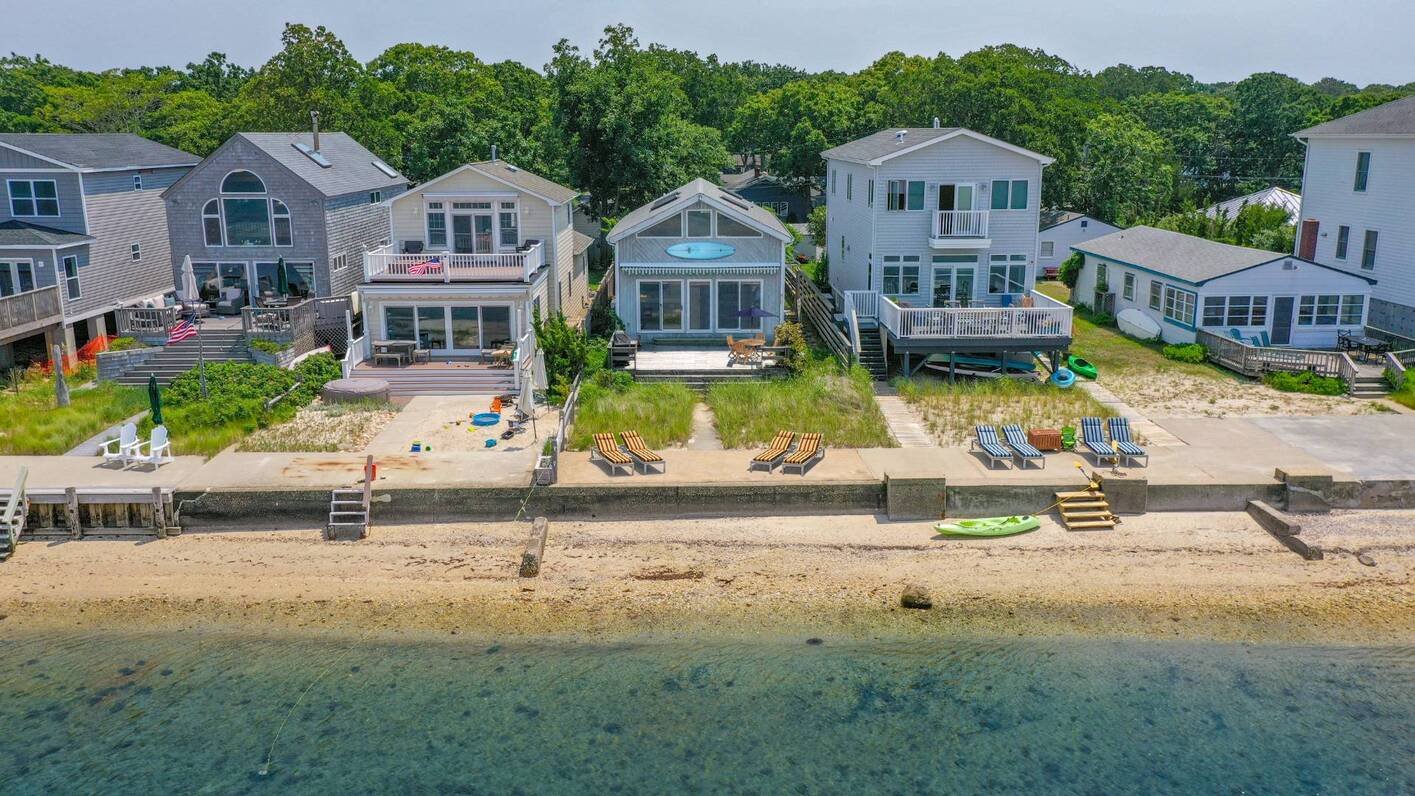
- scarce waterfront or water-view income properties
- net lease deals with a limited marketing window
- Delaware statutory trust allocations with a closing deadline
- medical office buildings with few comparable listings
- industrial property in a tight local supply
Each of these categories shares one trait: real inventory is thin enough that waiting for a conventional forward exchange timeline risks losing the property to another buyer entirely.
The Parking Arrangement Most Quotes Gloss Over
The accommodation titleholder has to actually hold title, obtain financing if needed, and later transfer the property to the investor once the relinquished sale closes. Lender consent for that arrangement is not automatic, and a quote that treats the reverse structure as a simple paperwork variation on a forward exchange is skipping the financing conversation that determines whether it can actually happen.
Some lenders simply will not finance a property held by an accommodation titleholder, which means the financing conversation needs to happen before the investor commits to the reverse structure, not after. Legal fees and carrying costs for the accommodation titleholder period should also be estimated up front, since they add real expense to a reverse structure that a simple forward exchange does not carry.
Why the East End Forces This Choice
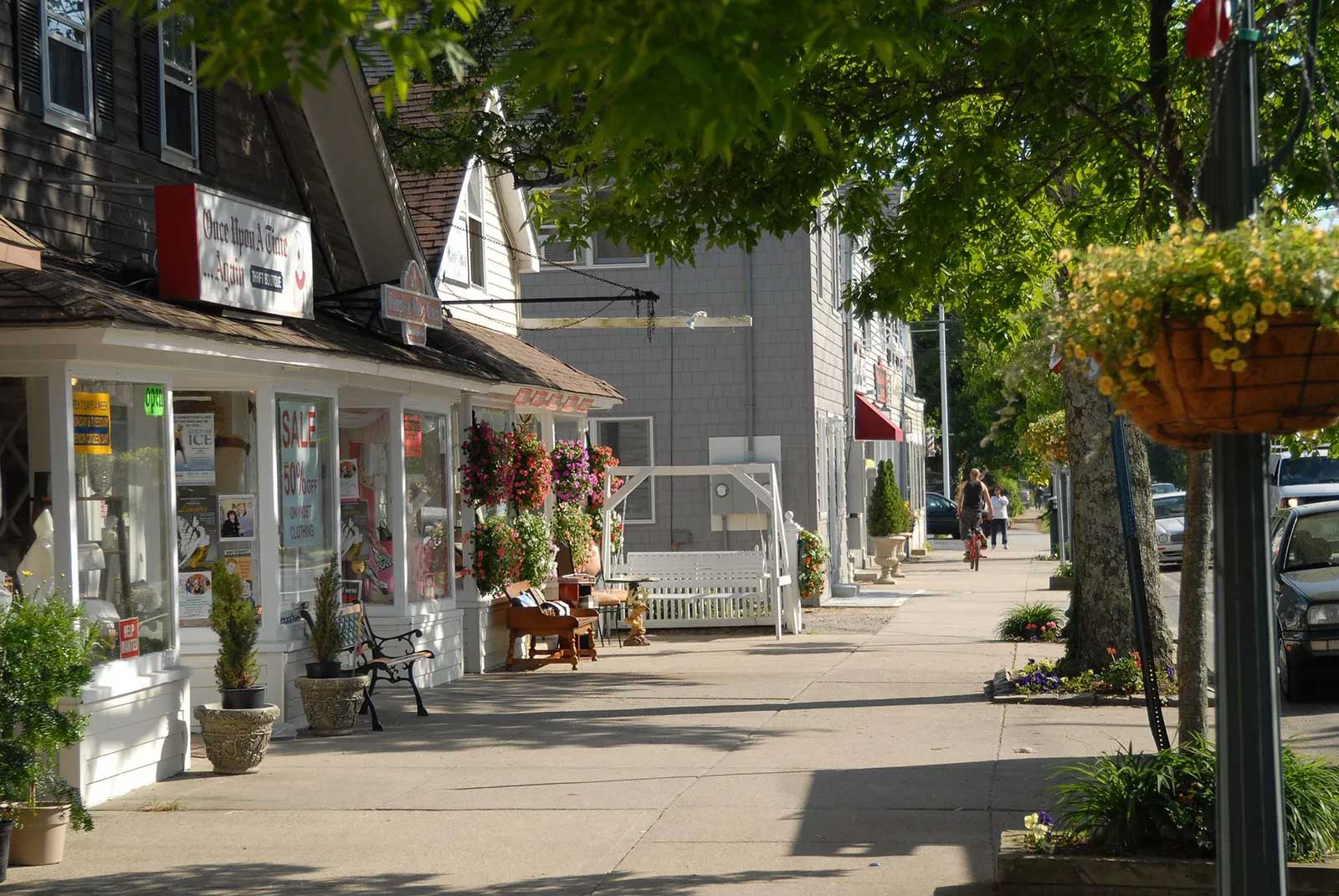
Replacement opportunities in the Hamptons can be seasonal and relationship-driven, meaning the right building sometimes appears only once in a buying season. An investor who insists on selling first, in order, may simply lose access to the property rather than gaining certainty. An investor who has watched a comparable property sell to someone else after waiting for their own sale to close once is usually far more willing to consider a reverse structure the second time around.
Sequencing the Sale After the Purchase
Once the replacement property is parked, the relinquished property still has to sell within the exchange period, and that sale has its own timeline pressure working in the opposite direction from a normal listing process. Coordinating counsel, the lender, and the accommodation titleholder on one schedule is what keeps that second half of the transaction from becoming an afterthought.
A relinquished property that sits on the market longer than expected can put real pressure on the back half of a reverse exchange, which is why pricing it realistically from the start matters more than it would in an ordinary sale. Setting a realistic asking price from the first day of marketing, rather than testing a higher number for a few weeks first, tends to produce a faster and more certain sale during this period.
Common 1031 Exchange Questions
What is an exchange accommodation titleholder in a reverse exchange?
It is the entity that holds title to either the replacement or relinquished property temporarily, allowing the investor to acquire a replacement property before selling the relinquished one while still working toward a valid exchange structure.
Does a reverse exchange still have deadlines like a forward exchange?
Yes, generally 180 days to complete the exchange, with identification of the property being sold typically due within 45 days of the replacement property closing into the accommodation structure.
Why would an investor choose a reverse exchange instead of waiting to sell first?
Because the replacement property might not be available if the investor waits. Scarce asset types in a tight market like the Hamptons can disappear from availability faster than a relinquished property sale can be arranged.
Can a lender finance a property held by an accommodation titleholder?
Some can, but consent and structuring take longer than a standard purchase loan, which is why lender conversations need to start as soon as a reverse structure looks likely, not after a contract is already signed.
What happens if the relinquished property does not sell within the reverse exchange period?
The exchange can fail to qualify, which is why pricing the relinquished property realistically and beginning its marketing early are as important to a reverse structure as the replacement purchase itself.
What carrying costs should an investor budget for during a reverse exchange?
Financing costs, insurance, and any legal or accommodation titleholder fees during the parking period all add real expense beyond what a standard forward exchange requires, and should be estimated before committing to the structure.