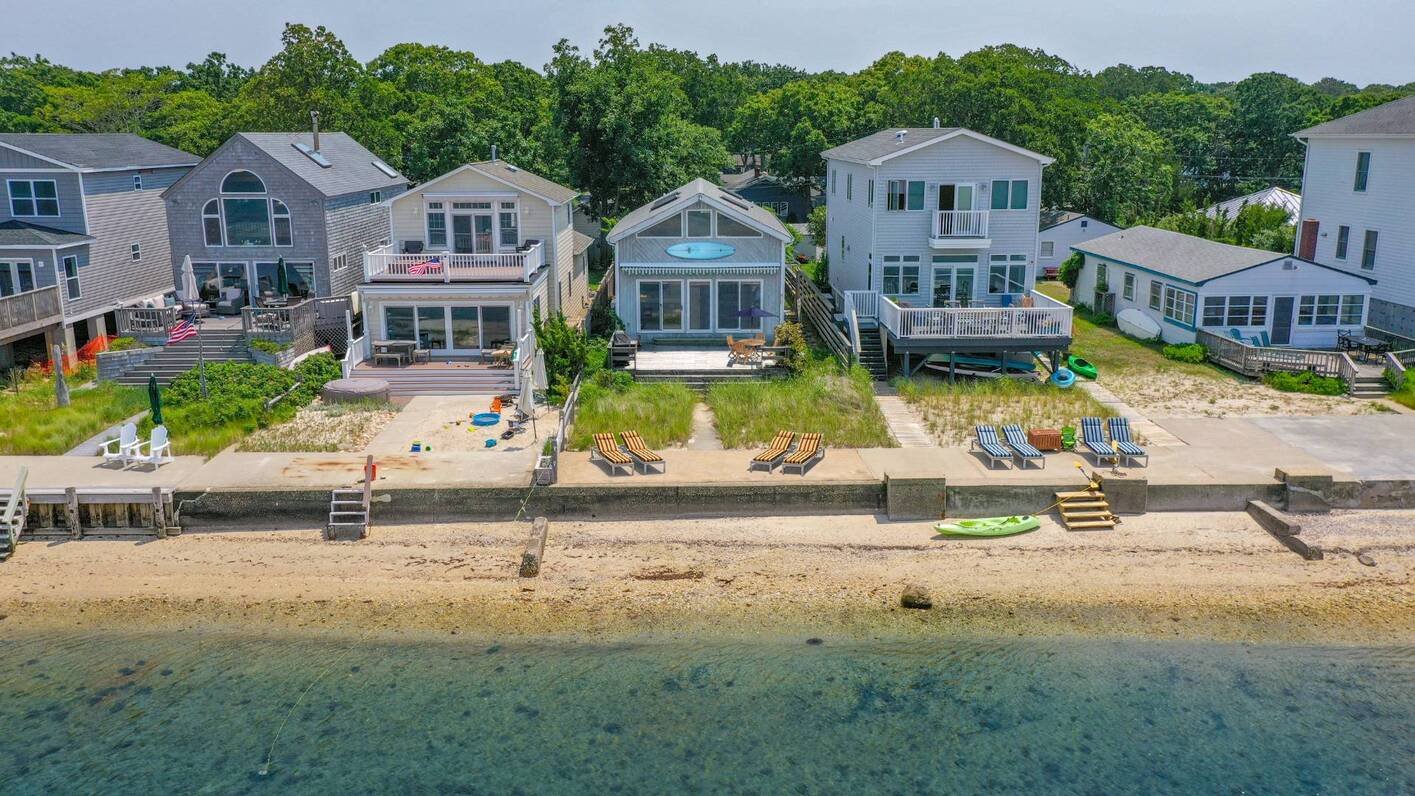
A standard delayed exchange sells the relinquished property first and acquires the replacement property afterward, but a reverse exchange flips that order, letting an investor acquire replacement property before the relinquished property has sold. On the East End, where a desirable Sag Harbor or Bridgehampton commercial property can move quickly once it hits the market, a reverse exchange lets an investor secure the replacement first rather than risk losing it while still marketing the property being sold. The structure is more complex and more expensive than a standard delayed exchange, but it solves a timing problem that a forward exchange cannot.
Why the IRS Requires an Accommodation Titleholder
The core problem a reverse exchange has to solve is that an investor cannot hold title to both the relinquished and replacement property at the same time and still have a valid exchange, since the investor is not permitted to be in actual or constructive receipt of exchange property outside the qualified intermediary structure. To get around this, an exchange accommodation titleholder, a separate legal entity, holds title to either the replacement property or the relinquished property for the duration of the reverse exchange under a qualified exchange accommodation arrangement, commonly referred to by its IRS revenue procedure guidance.
The Two Structures: Exchange First and Exchange Last
In an exchange-first structure, the accommodation titleholder takes title to the replacement property while the investor markets and sells the relinquished property, and once that sale closes, the replacement property is transferred to the investor. In an exchange-last structure, the accommodation titleholder instead takes title to the relinquished property temporarily while the investor closes on the replacement property directly. Which structure fits a given transaction depends on financing, lender requirements, and how the two closings are sequenced, and this is typically decided with the qualified intermediary and legal counsel well before either closing is scheduled.
The 180-Day Limit Still Applies
A reverse exchange has to be completed within one hundred eighty days of the accommodation titleholder taking title, which mirrors the standard exchange deadline even though the order of transactions is reversed. There is no separate forty-five day identification period in the same sense, since the replacement property is already identified by the fact that title is already held by the accommodation titleholder, but the relinquished property still has to sell and the exchange still has to be fully unwound within the one hundred eighty day window.
Why Reverse Exchanges Cost More and Take More Planning
A reverse exchange typically requires financing arranged specifically for the accommodation titleholder entity, additional legal documentation, and higher fees than a standard delayed exchange, since a specialized entity is created and unwound for each transaction. Lenders on the East End are not always set up to finance a purchase through an accommodation titleholder without additional underwriting, so confirming financing feasibility for this structure before committing to a reverse exchange, rather than after a purchase contract is signed, avoids a late-stage scramble.
Selling the Relinquished Property Under a Reverse Structure
Even though the replacement property is secured first, the relinquished property still has to be marketed and sold on a normal timeline, and the pressure of the one hundred eighty day deadline can push an investor toward a lower offer than a standard, unpressured sale would bring. Setting a realistic asking price and listing timeline before the reverse exchange begins, rather than after the accommodation titleholder has already taken title, gives the relinquished property a fairer chance at a full-market sale within the window rather than a deadline-driven discount.
Frequently Asked Questions
When does a reverse exchange make sense instead of a standard delayed exchange
A reverse exchange is worth considering when a desirable replacement property is available now and is unlikely to still be on the market once the relinquished property sells, which is common in competitive East End submarkets with limited commercial inventory.
Who holds title to the property during a reverse exchange
An exchange accommodation titleholder, a separate legal entity created for the transaction, holds title to either the replacement or relinquished property for the duration of the exchange under a qualified exchange accommodation arrangement.
Is the 180-day deadline different in a reverse exchange
No, the reverse exchange still has to be fully completed within one hundred eighty days of the accommodation titleholder taking title, matching the standard exchange deadline even though the transaction order is reversed.
Are reverse exchanges more expensive than standard delayed exchanges
Yes, reverse exchanges typically involve higher fees and additional financing and legal costs because of the accommodation titleholder entity and the additional documentation the structure requires.
Does financing get more complicated in a reverse exchange
Often yes, because a lender has to finance a purchase made through an accommodation titleholder entity rather than directly by the investor, and not every lender is set up to underwrite that structure without additional review.