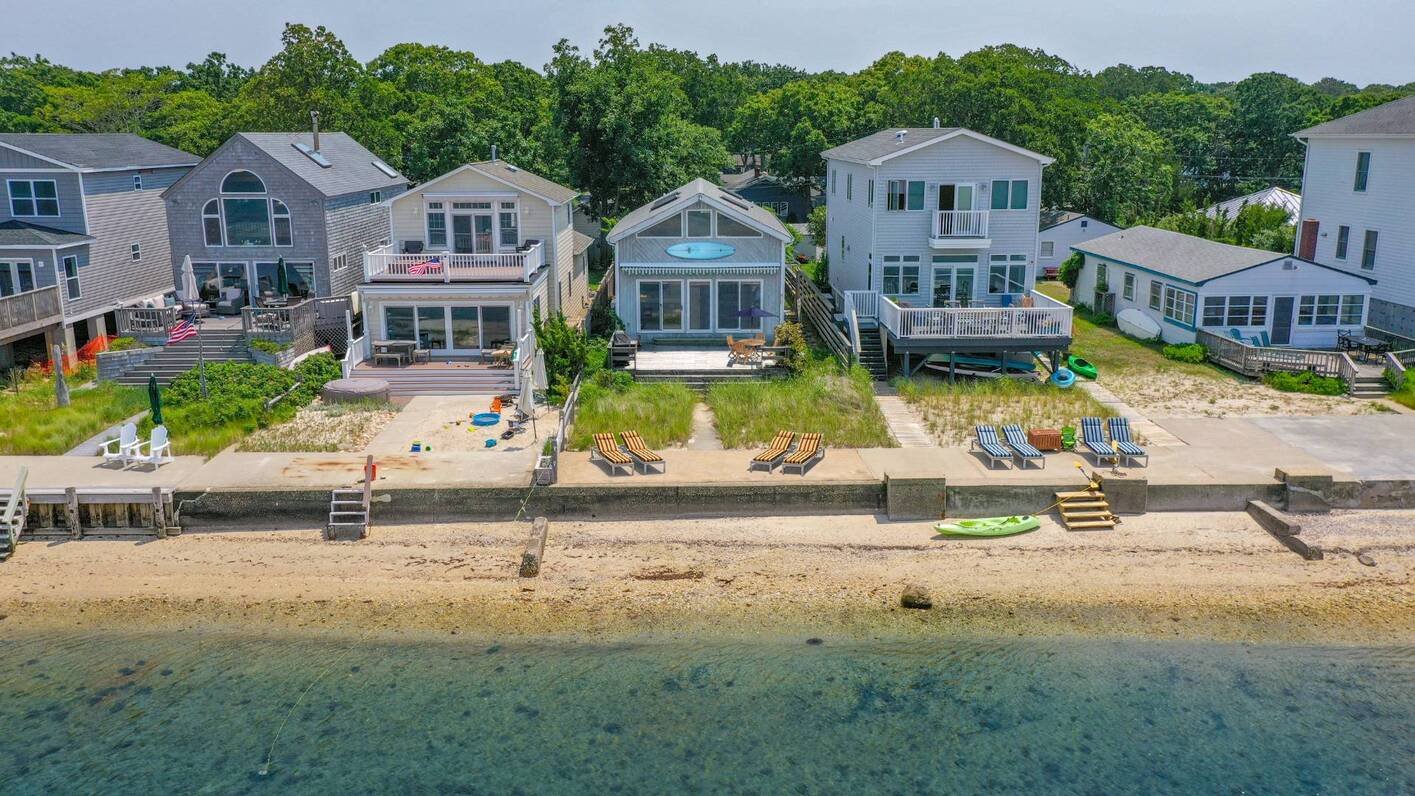
Ask five different Hamptons property owners how they got into real estate investing and at least three of them will say it started as something else. A cottage in Springs bought for weekends became a summer rental once the mortgage got expensive. A Bridgehampton lot bought for a future house got sold instead, at a gain nobody planned for. The path here rarely starts with a business plan; it starts with a house that turned out to make money, and an owner deciding whether to lean into that or cash out.
The Two Starting Points Most East End Owners Actually Have
Some investors start with cash and go looking for a first purchase, usually a small rental near Hampton Bays or Westhampton Beach where the entry price is lower than the estate section towns. Far more East End investors, though, start with equity already sitting inside a property they already own, often a home bought decades ago that has appreciated well past what anyone paid for it. That second group faces a different question than a first-time buyer does: not how to get in, but what to do with a gain that's already there.
A sale that triggers six or seven figures of capital gains changes the math on almost every next step. Reinvesting the full amount rather than a post-tax remainder is often the difference between buying a second income property outright and settling for a much smaller one.
Direct Ownership on a Land-Constrained Coast
Direct ownership, buying a building and managing the leases, works differently here than in most markets because the East End has very little land left to develop. Villages from East Hampton to Sag Harbor have limited commercial footprints, and much of what does trade moves through relationships rather than public listings. An investor buying direct here often ends up paying a premium for scarcity, and needs to underwrite that scarcity honestly rather than assume prices will always keep climbing.
Passive Structures for Owners Who Don't Want a Second Roof
Not every investor wants to manage a Montauk motel or chase a Sag Harbor tenant for rent. A Delaware statutory trust, or DST, lets an owner hold a fractional interest in institutional-grade property, often outside the region entirely, without signing leases or fielding maintenance calls. It's a passive structure, not a shortcut: DST interests are illiquid for the life of the hold, carry sponsor fees, and are generally limited to accredited investors. For someone exiting a hands-on Hamptons rental and not wanting another one, it's a legitimate option to weigh, not a guaranteed upgrade.
Where a 1031 Exchange Enters the Decision
An owner who's already built equity in East End real estate has a tool a first-time buyer doesn't: deferring the capital gains tax on a sale by rolling the proceeds into replacement property through a 1031 exchange. That replacement doesn't have to resemble the property sold. It can be a larger direct-ownership asset somewhere with more inventory than Bridgehampton or Amagansett offer, or a DST allocation for someone who wants the deferral without another set of keys to manage. The exchange defers the gain rather than erasing it, and the 45-day identification and 180-day closing windows apply no matter which path gets chosen.
Frequently Asked Questions
Do you need to already own property to invest in Hamptons real estate?
No, though many East End investors end up here through a property they already owned rather than a cold start. First-time buyers can purchase directly, but the higher entry prices in villages like Sagaponack or Water Mill push some newer investors toward smaller towns or fractional structures instead.
Is a DST a good fit for someone new to real estate investing?
It can be, since it removes the operating role entirely, but DST interests are generally limited to accredited investors and are illiquid for the full holding period. It's better suited to someone exiting an appreciated property through a 1031 exchange than to a first purchase with cash on hand.
Why is direct ownership harder to start with on the East End specifically?
Land is scarce and much of what trades moves through off-market relationships rather than public listings, which pushes entry prices higher than in less constrained markets. Newer investors sometimes start in towns with more inventory, like Hampton Bays or Westhampton Beach, before moving toward the estate section.
Does a 1031 exchange apply to a first-time real estate purchase?
No, it only applies once an investor sells an appreciated property held for investment or business use and wants to defer the resulting capital gains tax by buying replacement property within the required windows.
What's the biggest mistake owners make when they start investing here?
Underestimating how much of a sale's proceeds go to capital gains tax if no deferral strategy is in place, then trying to replace the property with only what's left after taxes rather than the full amount.